Why Does Lapsang Souchong Have a Smoky Flavor?
Many people are surprised the first time they try Lapsang Souchong.
“This tastes like smoke, not tea.”
That distinctive pine-smoke character is either deeply loved or strongly disliked.
But the smokiness is not a flaw — it is rooted in history.
1. Where Does the Smoky Flavor Come From?
The answer is simple:
Pinewood smoking.
In traditional processing, tea leaves are dried over burning pinewood.
The process includes:
- Withering
- Rolling
- Oxidation
- Pinewood smoke drying
During the final drying stage, smoke particles interact with the tea, creating the iconic smoky aroma.
2. Why Was Smoking Used?
Historically, Tongmu Village in Wuyi Mountains had humid conditions.
Smoking served practical purposes:
- Faster drying
- Moisture prevention
- Improved shelf stability
Over time, this technique became a defining characteristic.
The smoky flavor became identity.
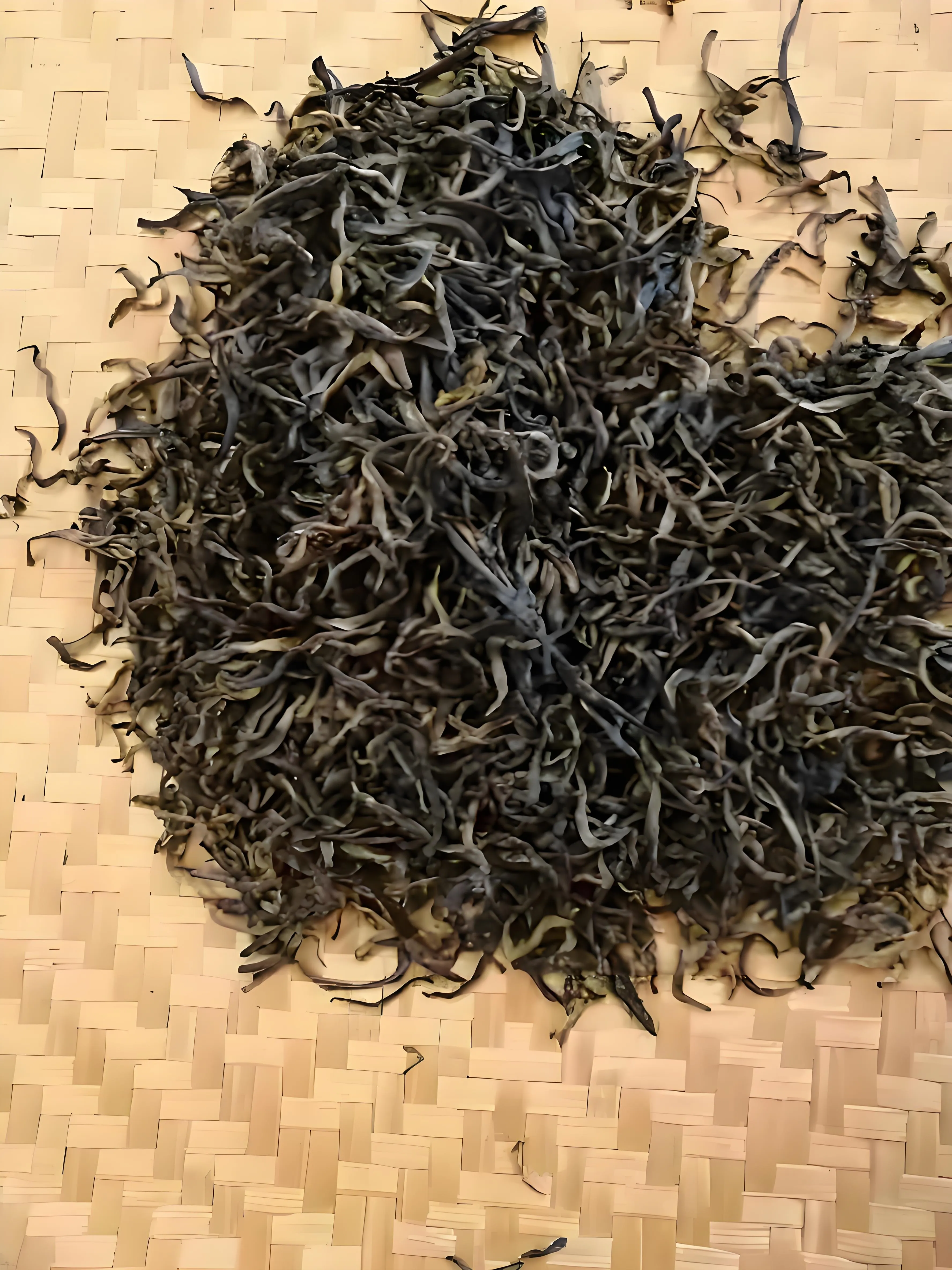
3. Do All Lapsang Souchong Teas Taste Smoky?
No.
There are two main styles today:
1️⃣ Traditional smoked style
- Clear pine smoke aroma
- Woody, resin notes
- Sweet finish
Closer to historical tradition.
2️⃣ Unsmoked or lightly smoked style
- Minimal smoke
- More floral and fruity notes
- Smoother texture
Developed to suit modern consumer preferences.
Therefore, not all Lapsang Souchong is heavily smoky.
4. Is Smokiness a Strength or Weakness?
It depends on perspective.
Traditionally:
Smokiness defines the tea.
Modern tasting standards may prefer balance.
High-quality smoked Lapsang Souchong should have:
- Clean, integrated smoke
- No harshness
- Underlying sweetness
If smoke dominates harshly, craftsmanship may be lacking.
Final Thoughts
Lapsang Souchong is smoky because of:
- Pinewood smoking tradition
- Historical environmental needs
- Preservation techniques
Today, both smoked and unsmoked versions exist.
Neither is inherently superior.
Understanding its origin is key.
Smokiness is not a defect.
It is history in aroma form.
