What's the Difference Between Cake Tea and Brick Tea? A Webmaster's Clear Guide
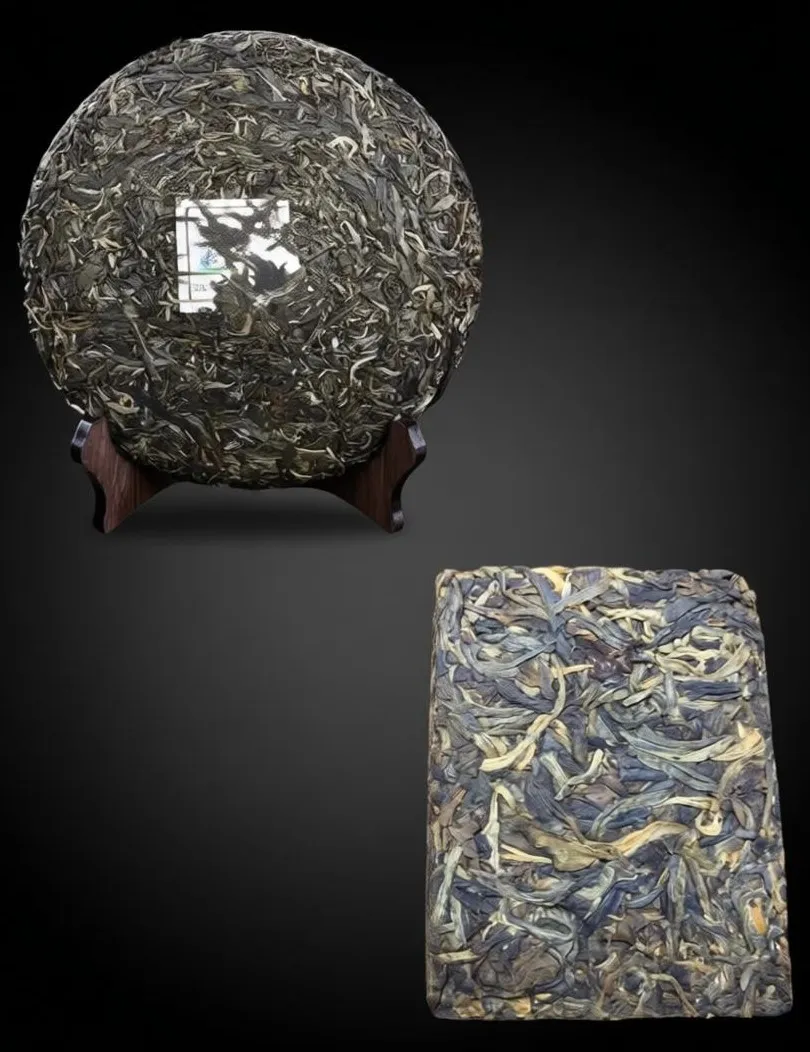
Walk into any tea shop, and you'll see two common shapes of compressed tea: the round cake and the square brick.
Many tea lovers look at them and wonder: Besides one being round and one square, what's the real difference? Is it just the same tea in different shapes, or do they each have their own story?
As someone who has answered this question countless times, let me make it crystal clear. After reading this, you'll know exactly which one suits you best.
I. The Bottom Line: Both Are Compressed, But They Have Different "Personalities"
Both cake tea and brick tea are essentially compressed teas—made by steaming loose tea and pressing it into shape.
Think of them as two students in the same class: one is the round, likable "artistic type," the other is the square, solid "hard worker." They look different, act different, and even have different origins and futures.
Here's a table that sums up the core differences:
| Aspect | Cake Tea | Brick Tea |
|---|---|---|
| Shape | Round, smooth surface, with a dimple on the back | Rectangular or square, sharp corners, like a brick |
| Common Weights | 357g (standard), 200g, 100g, etc. | 250g, 500g, 1000g, etc. |
| Main Tea Types | Pu-erh (most common), white tea, Liubao, black tea | Dark tea (most common), pu-erh, aged green tea |
| Pressing Density | Relatively loose (stone-pressed), some iron cakes are tighter | Generally very tight and dense |
| History & Meaning | Symbolizes "heaven" (roundness); Seven Sons Cake represents family reunion | Symbolizes "earth" (squareness); historically used as border-sale tea |
II. The Deep Dive: Four Key Differences
The table helps, but let's go deeper.
1. Shape and Weight: It's Not Random
The round shape of cake tea isn't accidental. Influenced by the ancient Chinese concept of "round heaven, square earth," cake tea represents heaven, symbolizing completeness and reunion. The standard 357-gram weight is said to relate to the load capacity of horses on the ancient Tea Horse Road.
Brick tea's rectangular shape represents earth. Its weights are more practical: 500g, 1000g, even larger—designed for bulk transport and long-term storage. Historically, brick tea was the main tea sent to border regions, used by Tibetan compatriots to make butter tea, hence the name "border-sale tea".
2. Pressing Density: The Key to Aging
This is a crucial difference affecting how tea ages.
Cake tea (especially stone-pressed) is moderately dense. The leaves have tiny gaps between them, allowing controlled contact with air during storage, which promotes gradual post-fermentation.
Brick tea is usually pressed very tight, with high density. This high density helps brick tea retain its aroma, flavor, and sweetness better than cake tea during long-term storage, with less influence from the external environment. The trade-off? It's hard to pry apart and easy to break into pieces.
3. Brewing Methods: Adapt to the Shape
Because of different densities, you brew them differently.
- Cake Tea (moderate density): Brew normally. Use 7g tea in a 110ml gaiwan, boiling water, steep for about 5 seconds. Flavors release evenly.
- Brick Tea (high density): The first two steeps need a longer闷泡 (steeping). Because it's so tight, water penetrates slowly. If you don't steep longer, the flavor won't come out. Depending on the tea, steep for 15-30 seconds for the first few infusions. Use boiling water and pour slowly at a fixed point to let the water soak in gradually.
4. The "Old Saying" About Leaf Grade
There's an old saying in the tea world: "First grade for tuo, second for cake, third for brick."
This meant historically: Tuo tea used grade 1 leaves, cake tea used grade 2, and brick tea used grade 3 (older, coarser leaves). Brick tea was mainly for border regions, where it was boiled, and coarser leaves stood up better to long boiling and gave a stronger flavor. Cake tea was more for drinking and appreciation, so it used finer leaves.
But here's the truth: That's old thinking. Today, you can find high-end brick teas made from top-quality leaves, like famous mountain pu-erh bricks. Don't judge quality by shape alone.
III. A Webmaster's Buying Guide: Which One Is Right for You?
After all that, here's practical advice for choosing:
1. For Daily Drinking and Enjoying Flavor Progression: Choose Cake Tea
Cake tea's moderate density allows for faster aging. You'll notice flavor changes within a few years. It's also easier to pry, so daily brewing is hassle-free. White tea cakes are great for this too.
2. For Long-Term Storage or Limited Space: Choose Brick Tea
Brick tea is tightly pressed and takes up less space. You can store more tea in the same area. And that high density helps retain aroma and flavor during long-term aging—perfect if you're "storing for the future".
3. For Travel or Gifting: It Depends
- Gifting: Cake tea is more popular. The round shape symbolizes completeness and good fortune, and packaging is often more attractive.
- Travel: Try small bricks or "chocolate bricks" that break off into individual pieces. Super convenient.
4. For Beginners: Start with Cake Tea
It's easier to pry and brew. Brick tea, if you pry it wrong, turns into a pile of broken bits that brew bitter and harsh—not a great first experience.
IV. Conclusion
Back to our original question: What's the difference between cake tea and brick tea?
Here's the simplest summary:
- Look at the shape: Cake is round, brick is square. That's the most obvious difference.
- Look at the density: Cake is looser, ages faster; brick is tighter, holds aroma longer.
- Look at the purpose: Cake is for appreciation and gifting; brick is for practicality and storage.
Neither is inherently better. It's about what fits your needs. Cake tea has its gentle roundness; brick tea has its solid square character.
Next time someone asks which is better, you can confidently say: "There's no 'better'—only what suits you better. Do you prefer round or square? That's your answer."
I hope this guide helps you shop and store tea with more confidence. The more you know, the more you enjoy.
