Introduction: Every Tea Lover Was Once a Beginner
As a tea blogger, I frequently receive messages like this: "I want to start drinking tea, but when I go to a tea shop, I see green tea, black tea, oolong tea, pu-erh... I'm completely overwhelmed. I have no idea where to start. Which tea should beginners actually start with?"
This is an excellent question! The choice of your first tea is incredibly important. Choose right, and you'll immediately experience the charm of tea and fall in love with it. Choose wrong, and you might develop a misunderstanding about tea due to an unpleasant first experience, missing out on a wonderful world.
Today, I'll share my perspective as someone who's been through it all, helping you navigate the beginner's tea selection process. We won't delve into overly complex theories, just practical, experience-based advice.
1. Three Golden Rules for Beginner Tea Selection
Before recommending specific teas, let's define what makes a tea suitable for beginners. I've summarized three key criteria:
1. High Palatability
First impressions matter. Teas that are too bitter, too strong, or have strange flavors can easily turn beginners away. Therefore, the tea should be smooth, gentle, and have a natural sweetness – something that makes you think, "Hey, this is actually pretty good!"
2. Easy to Brew
Beginners usually don't have professional tea ware and aren't familiar with controlling water temperature and steeping time. So, the brewing method should be simple. Even if you use a large mug and just toss some leaves in, it should still taste decent. Teas that require precise temperature control and lightning-fast pouring can wait until you're more experienced.
3. Affordable and Consistent
At the beginner stage, there's no need to chase after famous, expensive teas. Look for good value, everyday drinkable teas with consistent quality. It would be a waste to spend a lot on something you end up not liking.
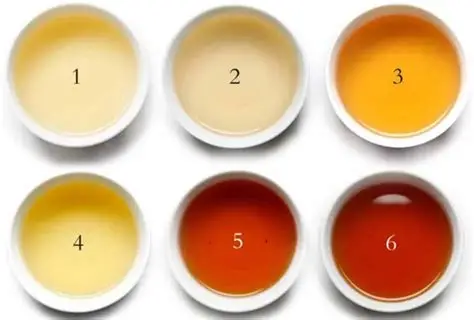
With these three rules in mind, let's see which of the six tea types are beginner-friendly.
2. Top Tea Recommendations for Beginners
🥇 Best Choice: Black Tea – Your First Lesson
Recommendation Index: ⭐⭐⭐⭐⭐
Why Black Tea First?
Black tea is arguably the "perfect companion" for beginners. It perfectly meets our three criteria:
- Sweet and Smooth, Zero Entry Barrier: Black tea is fully fermented. During fermentation, the astringent polyphenols transform into theaflavins and thearubigins, resulting in minimal bitterness and a naturally sweet, smooth, and mellow taste. Many beginners, upon trying a good Keemun or Lapsang Souchong for the first time, exclaim, "Tea can be sweet?!"
- Forgiving to Brew, No Skill Required: Black tea is very resilient. You can brew it in a gaiwan, a mug, or even a thermos (just don't steep it too long), and it will still taste good. Water temperature isn't critical either – anywhere between 85°C to 95°C works.
- Wide Variety, Options for Every Budget: Black tea prices range from very affordable daily drinkers to higher-end精品teas. I recommend beginners start with Keemun (one of the world's three famous high-aroma black teas, elegant and floral), Lapsang Souchong (with its unique pine-smoked aroma and mellow taste), or Dianhong (Yunnan Black) (bold flavor, pronounced sweetness).
Advice: Buy about 50 grams to try. Use a glass or mug, add a small amount of leaves, pour hot water, and experience the natural sweetness of tea.
🥈 Second Choice: White Tea – The Taste of Nature
Recommendation Index: ⭐⭐⭐⭐
Why White Tea?
White tea has the simplest processing method – it's essentially leaves that have been withered and dried, preserving the most原始and natural flavors of the tea plant.
- Sweet and Crisp, Like Mountain Spring: Good Silver Needle or White Peony tastes clean and sweet, like crisp mountain spring water, with subtle hay and floral notes. The sweetness of white tea is refreshing and leaves your mouth feeling moisturized.
- Simple Brewing, High Steepability: White tea is also very forgiving. Aged white tea can even be boiled. Beginners don't need to worry about messing up the brew; steeping it a little longer won't make it undrinkably bitter.
- You Can Age It as You Drink: White tea is known for improving with age – "1 year tea, 3 years medicine, 7 years treasure." As it ages, the flavor transforms from fresh and sweet to mellow and rich. Buying a little and watching it "age" as you drink is part of the fun.
站长's Advice: I recommend starting with White Peony. It has the freshness of Silver Needle and the mellowness of Shou Mei, at a reasonable price. Brew it in a transparent glass to enjoy the beauty of the leaves unfurling in the water.
🥉 Third Choice: Oolong Tea (Lightly Oxidized) – The Allure of Aroma
Recommendation Index: ⭐⭐⭐
Why Lightly Oxidized Oolong?
The world of oolong tea is vast and complex, but lightly oxidized Tieguanyin is one of the most beginner-friendly entries.
- High Aroma, Sensory Delight: The biggest characteristic of lightly oxidized Tieguanyin is its fragrance. The aroma of the dry leaves, the liquor, and even the empty cup – that elegant, clean orchid scent – is easy to fall in love with at first sip. For beginners, this direct aromatic experience is great motivation to explore further.
- Light and Refreshing, Not Overpowering: Compared to the bold and thick character of heavily roasted oolongs or rock teas, lightly oxidized Tieguanyin has a cleaner, more refreshing taste with obvious sweetness, without being too "aggressive."
A Note of Caution: The reason I give it three stars is that good lightly oxidized Tieguanyin does require a bit of brewing attention – quick infusions are key, as steeping too long can bring out bitterness. Also, quality can vary significantly in the market, so finding a reliable source is important.
站长's Advice: If you want to try oolong, start with lightly oxidized Tieguanyin or Dong Ding Oolong. Get a simple gaiwan or a easy-brewing mug to help control the steeping time.
3. Teas to Try Later
Now, let's also discuss which teas beginners might want to save for later:
⚠️ Raw Pu-erh (Young)
Why: Young raw pu-erh has a bold, sometimes aggressive character with noticeable bitterness and astringency. For someone not used to tea, it might be off-putting – "Why is this tea so bitter?" This can lead to misunderstandings. If you're really curious, try a raw pu-erh with some age on it, as the bitterness will have mellowed.
⚠️ Heavily Roasted Oolong Teas
Why: Teas like some high-fire Wuyi Rock Teas or aged Tieguanyin have pronounced roasted or aged flavors. These "roasty" or "earthy" notes can be challenging for beginners, who might perceive them as "burnt" or "strange." It's better to develop your palate a bit first before tackling these.
⚠️ High-Quality Green Teas
Why: It's not that green tea is bad, but fine green teas (like West Lake Longjing or Biluochun) are demanding to brew. Water that's too hot or steeping too long will ruin their fresh, delicate character, making them taste bitter and dull. Also, green tea is best consumed fresh, so you can't stockpile it. Beginners can start with more普通的roasted green teas to test the waters.
4. A Three-Step Plan for Beginner Tea Drinkers
To help you start your tea journey smoothly, here's a simple three-step plan:
Step 1: Start with Black Tea or White Tea
Buy 50-100 grams of Dianhong (Yunnan Black) or White Peony. Use a regular glass or mug, follow the recommended leaf amount, and brew yourself a cup every day for a week. Focus on experiencing the sweetness and smoothness of the tea liquor.
Step 2: Compare Horizontally to Taste Differences
Once you're familiar with one tea, buy another similar type for comparison. For example, after drinking Dianhong, try some Keemun or Lapsang Souchong to感受the flavor differences between various black teas. This step builds your foundational tea knowledge.
Step 3: Explore Vertically Across Categories
After you've developed a basic sense for black and white teas, feel free to branch out and try other categories, like lightly oxidized oolongs, or aged white tea and pu-erh. By now, your palate will have adapted and can better appreciate the unique charms of different tea types.
Summary: Choosing Tea is Like Making Friends – Find What Suits You
Back to our original question: Which tea should beginners start with?
My answer is: Start with black tea, then try white tea, and if you're curious about aroma, lightly oxidized oolong is a good option.
Drinking tea is a highly personal journey. There's no absolute right or wrong answer. It's like making friends – some people like the passionate and outgoing type, others prefer the gentle and refined, and some are drawn to the deep and introspective. My recommendations are just a starting point to help you open the door.
The most important thing is: drink more, try more, and feel more. The more you drink, the more you'll naturally discover your preferences. Perhaps a tea you don't like today will reveal a whole new dimension when you try it again in a year or two. That's the beauty of tea – it evolves as you do.
I hope this article helps you find your first great cup of tea. If you have questions along the way or find a tea you love and want to share, feel free to leave a comment below. This is your站长, see you next time!
Appendix: Quick Reference for Beginner Tea Selection
| Tea Type | Beginner-Friendly | Core Flavor | Brewing Tips | Try This First |
|---|---|---|---|---|
| Black Tea | ⭐⭐⭐⭐⭐ | Sweet, Mellow, Smooth | Mug or Gaiwan, easy-going | Keemun, Dianhong, Lapsang Souchong |
| White Tea | ⭐⭐⭐⭐ | Sweet, Crisp, Fresh | Glass or Boiling, forgiving | White Peony, Aged White Tea |
| Light Oolong | ⭐⭐⭐ | Aromatic, Refreshing | Gaiwan recommended for timing | Light Tieguanyin, Dong Ding |
| Ripe Pu-erh | ⭐⭐⭐ | Smooth, Mellow, Earthy | Gaiwan or Zisha pot | Well-stored 5-year Ripe Pu-erh |
| Yellow Tea | ⭐⭐ | Sweet, Gentle, Mild | Similar to Green Tea | Junshan Yinzhen, Huoshan Huangya |
| Green Tea | ⭐⭐ | Fresh, Crisp, Vegetal | Needs cooler water (~80°C) | Anji Bai Cha, Lu'an Guapian |
| Young Raw Pu-erh | ⭐ | Bold, Bitter, Complex | Needs skill, steep carefully | Not recommended for now |
