Introduction: Why This Question Matters
As a seasoned tea enthusiast and blogger, I often receive messages from beginners: "I'm new to tea and want to start drinking it, but I don't know which type to buy. There's so much information online. Do different types of tea actually taste that different from each other?"
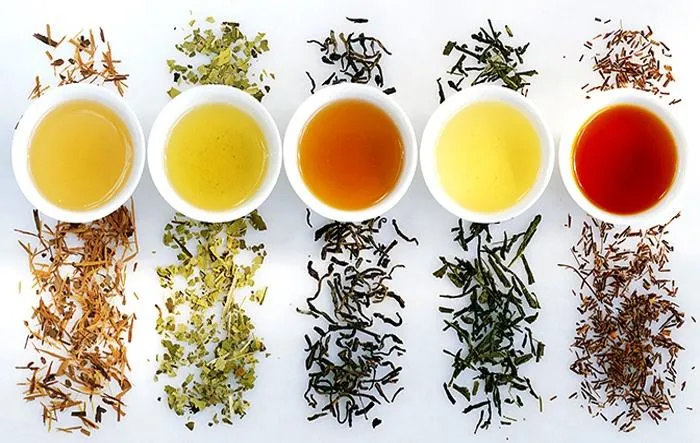
Today, let's delve deep into this fundamental yet crucial question. I can tell you with certainty: the taste differences between various tea types are as vast as the difference between day and night. They can be more distinct than the difference between red wine and white wine. Once you understand this, you'll unlock a whole new universe of flavors.
1. Why the Big Difference? It's All About "Fermentation" and "Processing"
Before we dive into specific tastes, we need to understand a basic principle: Processing determines flavor.
All teas come from the same plant – the Camellia sinensis. The reason they become green tea, black tea, or oolong tea lies in the different processing methods they undergo. The key is the varying degree of fermentation, which fundamentally alters the chemical compounds within the leaves, creating an incredible diversity of flavors.
- Non-fermented teas: Retain most of their natural components, offering a taste closer to the "fresh leaf."
- Semi-fermented / Fully-fermented teas: Undergo enzymatic oxidation, generating new aromas and tastes, resulting in a more "complex" flavor profile.
Understanding this is the key to grasping why their taste differences are so profound.
2. In-Depth Flavor Analysis of the Six Tea Types
Let's explore the most common six types of tea, focusing on how their "fermentation" levels create a spectacular flavor spectrum.
1. Green Tea (Zero Fermentation): The King of Freshness
- Core Process: Fixation (high heat stops enzyme activity, preventing fermentation).
- Flavor Keywords: Fresh, Crisp, Astringent
- Tasting Notes:
Drinking green tea is like tasting the "freshness" of spring. A high-quality green tea offers a sensation similar to sipping a light, savory broth, as if holding a spring bud in your mouth. You'll notice crisp, vegetal notes like steamed beans or chestnuts. However, because it's unfermented, it can be more stimulating to the stomach. The astringency from polyphenols is noticeable, but in good teas, it quickly dissipates, leading to a pleasant, lingering sweetness (hui gan). - One-Liner: Like a vibrant, straightforward youth, full of energy and vitality.
2. White Tea (Minimal Fermentation): The Taste of Nature
- Core Process: Withering, Drying (the least processed, retaining high active compounds).
- Flavor Keywords: Sweet, Hay-like, Mellow
- Tasting Notes:
White tea's charm lies in its "natural simplicity." Young white tea tastes clean and sweet, like crisp mountain spring water. The tiny, silvery hairs on the buds impart a unique "hay" or "downy" aroma, reminiscent of dried reeds. As it ages, white tea "transforms," becoming mellow, smooth, and thick, developing notes of dates, dried longan, or medicinal herbs, resulting in a very warm and comforting cup. - One-Liner: Like a graceful young maiden, naturally beautiful and elegantly simple. As it ages, it becomes a wise elder, mellow and profound.
3. Yellow Tea (Light Fermentation): The Gentle Scholar
- Core Process: Sealed Yellowing (a slight fermentation under warm, humid conditions).
- Flavor Keywords: Sweet, Mellow, Smooth, Non-irritating
- Tasting Notes:
Yellow tea is one of the lesser-known types but boasts a unique character. The additional "yellowing" step softens the "sharp edges" found in green tea. It retains some of green tea's freshness but adds a layer of sweetness and mellowness. The taste is exceptionally smooth, with almost no astringency or irritation. It's an excellent choice for beginners or those with sensitive stomachs who still crave a fresh, light taste. - One-Liner: Like a modest and refined gentleman, perfectly balanced and unobtrusive.
4. Oolong Tea (Semi-Fermentation): The King of Aroma
- Core Process: Bruising (shaking the leaves to initiate partial fermentation at the edges, creating the "green leaf, red edge" appearance).
- Flavor Keywords: High Aroma, Complex, Layered, Minerality/Yun
Tasting Notes:
Oolong tea offers the most diverse and changing aromatic experience. It's like the perfumer of the tea world.- Lightly oxidized Tieguanyin has elegant, clean orchid notes.
- Dong Ding Oolong presents warm, roasted nutty flavors.
- Wuyi Rock Teas (like Da Hong Pao) boast a powerful "rock charm" – a robust, thick, and long-lasting flavor with a unique mineral complexity that leaves a lasting impression.
The beauty of oolong lies in its layers – the aroma changes from the dry leaf, to the wet leaf, to the liquor, and even in the empty cup, evolving with each infusion.
- One-Liner: Like a charismatic, sophisticated individual, charming and full of intrigue, with a new facet to discover in every sip.
5. Black Tea (Full Fermentation): The Comfort Zone
- Core Process: Full Fermentation (complete oxidation, generating theaflavins and thearubigins).
- Flavor Keywords: Sweet, Smooth, Malty, Warming
- Tasting Notes:
Black tea is fully fermented, making it gentle on the stomach. Its flavor profile is the most universally appealing. A good black tea has a bright, vibrant reddish-amber liquor, like liquid gemstone. The taste is sweet, smooth, and rich, with almost no astringency. Notes of malt, honey, dried fruits, and even chocolate (in some varieties) intermingle. Sipping it brings an immediate sense of warmth and comfort. Classic examples include the smoky Lapsang Souchong and the uniquely fragrant "Keemun aroma." - One-Liner: Like a warm and caring lover, gentle and sincere, offering the most direct comfort.
6. Dark Tea / Pu-erh Tea (Post-Fermentation): The Art of Time
- Core Process: Piling (Shou/Ripe Pu-erh) / Natural Aging (Sheng/Raw Pu-erh, other Dark Teas).
- Flavor Keywords: Aged, Mellow, Smooth, Thick, Woody/Date-like
Tasting Notes:
Dark teas, especially ripe pu-erh and aged raw pu-erh, are products of time. Their appeal lies in their "aged" character and incredible "smoothness."- Young Raw Pu-erh (Sheng): The taste is bold and powerful, like an untamed horse. Bitterness and astringency are upfront and impactful, but in good quality teas, this is followed by a rapid and intense sweetness ("tea energy" or cha qi).
- Ripe Pu-erh / Aged Dark Tea: Through the "wo dui" (piling) process or years of aging, the character becomes remarkably smooth, thick, and mellow, with a soup-like viscosity. The initial harshness fades, transforming into unique aged aromas – woody, earthy, reminiscent of dates, herbs, or traditional Chinese medicine. It's deeply warming and soothing for the stomach.
- One-Liner: Like a world-weary sage, deep and reserved, having refined all its sharpness into mellow wisdom and inclusiveness.
3. A Quick Glance: Taste Differences at a Glance
For a more intuitive comparison, here's a simple table:
| Tea Type | Fermentation Level | Core Flavor Words | Aroma Profile | Stomach Irritation |
|---|---|---|---|---|
| Green Tea | None | Fresh, Crisp | Bean, Chestnut, Grassy | Higher |
| White Tea | Minimal | Sweet, Hay-like | Hay, Floral, Dried Fruit (aged) | Lower |
| Yellow Tea | Light | Sweet, Mellow | Sweet Corn, Fresh | Low |
| Oolong Tea | Semi | Aromatic, Complex | Floral, Fruity, Roasted | Moderate |
| Black Tea | Full | Sweet, Smooth, Malty | Malt, Honey, Dried Fruit | Very Low |
| Dark Tea | Post- | Aged, Mellow, Thick | Woody, Earthy, Date-like | Minimal |
Summary & Tea Selection Guide
So, back to our original question: How different are the tastes of various tea types?
By now, you should have your answer: Not just different, but dramatically and beautifully so.
- If you crave the vitality of spring and pursue the ultimate in freshness, start with Green Tea.
- If you appreciate simplicity and natural sweetness, White Tea is your perfect match.
- If you're curious to explore complex and changing aromas, Oolong Tea will surprise and delight you.
- If you seek gentle sweetness and warm comfort, try a cup of Black Tea.
- If you're fascinated by the effects of time and enjoy thick, mellow textures, Pu-erh or Dark Tea are worthy companions for a long journey.
I hope this guide helps open the door to the wonderful world of tea tasting. Remember, choosing tea is a highly personal journey. There's no "best" tea, only the tea that's best for you. Drink widely, compare often, and you will undoubtedly find your perfect cup.
Next time you buy tea, use the flavor keywords you've learned today to describe what you're looking for. The tea seller will surely recognize you as a knowledgeable enthusiast!
If you found this article helpful, please bookmark it, share it, or leave a comment telling me about your favorite tea and its flavor. See you next time!
