1. Appearance
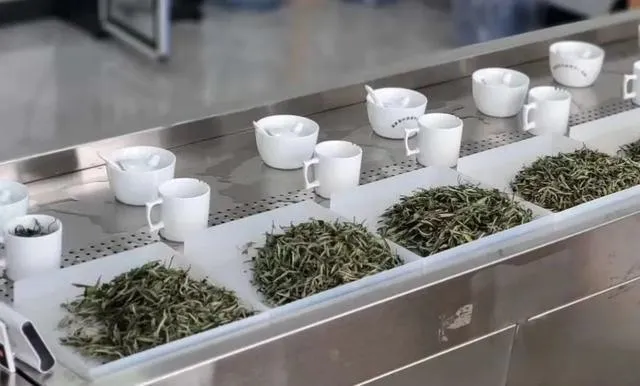
The appearance of tea leaves is one of the most important indicators of tea quality. High-quality tea leaves are usually bright in color, well-shaped, and the tea leaves should be uniform and plump. Different types of tea have different appearance characteristics. For example, green tea leaves are usually fresh green with neat leaves, while black tea tends to be deep red or reddish-brown. If the tea contains too many broken leaves or dry leaves, it may indicate lower quality tea.
2. Aroma
The aroma of tea is another effective indicator of quality. High-quality tea typically has a fresh, lasting fragrance, often with natural floral, fruity, or grassy notes. Different types of tea have different aromas; green tea is fresh and fragrant, black tea has a rich and sweet aroma, and oolong tea has a unique floral or fruity scent. If the tea smells musty, burnt, or has off flavors, it may indicate improper storage or poor quality.
3. Liquor Color
The color of the brewed tea liquor is an important indicator of tea quality. High-quality tea typically yields a clear, bright liquor. For example, green tea has a clear yellow-green liquor, while black tea produces a bright red liquor. Cloudiness, murkiness, or excessive sediment in the tea liquor can suggest poor-quality tea.
4. Taste
Taste is the core of judging tea quality. When tasting tea, high-quality tea should have a fresh, smooth, and mellow taste, with a smooth mouthfeel and a lingering aftertaste. Different tea types have unique flavors—green tea is refreshing, black tea is sweet, and oolong tea has a richer, more complex flavor profile. If the tea tastes bitter, astringent, or bland, it may indicate lower quality.
