Tea is one of the most widely consumed beverages around the world. Almost every country has its unique tea culture, and it’s a staple in many people’s daily routines. However, few people stop to think about the origins of tea leaves. So, where do tea leaves actually come from? Let's uncover the mystery of tea leaves.
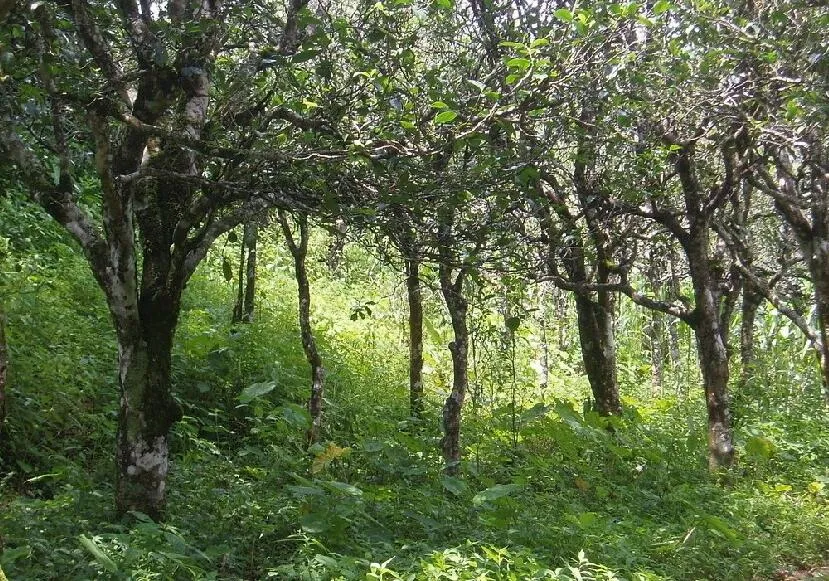
The Source of Tea Leaves: The Tea Tree
Tea leaves come from a plant known as the tea tree (Camellia sinensis). Native to China, India, and Southeast Asia, the tea tree has been cultivated for thousands of years. While it is now grown globally, its roots in these regions remain deep.
The tea tree is an evergreen shrub, typically growing 3 to 4 meters tall. Its leaves are oval-shaped with serrated edges and a smooth, dark green surface. The quality of tea leaves is greatly influenced by climate and soil conditions, which is one of the reasons why different regions produce distinct types of tea.
Types of Tea and the Processing of Tea Leaves
There are various types of tea, and these are closely tied to the species of tea tree and the processing methods used. The tea-making process involves several steps, including plucking, withering, rolling, fermentation (or non-fermentation), and drying. The processing method determines the color, flavor, aroma, and health benefits of the tea. For example:
- Green Tea: Unfermented, it retains the original color and flavor of the leaves, typically tasting fresh with grassy or floral notes.
- Black Tea: Fully fermented, resulting in a reddish color and a strong, rich flavor, often with a sweet aftertaste.
- White Tea: Minimally processed, it undergoes natural withering and drying, preserving its delicate, natural flavor.
- Oolong Tea: Semi-fermented, offering a balance between green and black tea, with unique floral and fruity aromas.
Tea Cultivation and Geographic Differences
Tea trees require a specific environment for optimal growth. They thrive in warm, humid climates and prefer acidic, organic-rich soil. The geographical differences in tea cultivation lead to distinct flavors in tea produced in various regions. For example, China’s Longjing tea, India’s Darjeeling tea, and Japan’s Sencha all possess unique flavors influenced by the terroir of their respective regions.
Tea Culture and Its Connection to Tea Leaves
Tea is not just a beverage; it carries deep cultural significance. In countries such as China, India, and the UK, tea culture has a long history. The types of tea, brewing techniques, tea ware, and even the time of day when tea is consumed are all integral parts of tea culture. Through different brewing methods and ways of enjoyment, tea becomes a way of connecting with others, relaxing, and savoring life.
For instance, China’s tea ceremony emphasizes tranquility, harmony, and elegance, advocating for a peaceful tea experience to appreciate the aroma and flavor of the tea, achieving both physical relaxation and inner peace. In the UK, afternoon tea has become a social tradition, where tea serves as more than just a drink – it’s a means of connection.
Conclusion
The source of tea leaves is simple – they come from the leaves of the tea tree. However, the diversity of tea types, flavors, and aromas, along with its cultural significance around the world, makes tea an extraordinary and rich subject. From raw material to processing and culture, tea holds a fascinating charm. Whether you are a tea connoisseur or a newcomer to the world of tea, understanding the botanical foundation and cultural backdrop of tea leaves will deepen your appreciation for every sip.
