Hello, tea enthusiasts! As the curator of this tea culture platform, I'm often asked, "I have a sensitive stomach/ a cooler constitution—which teas are gentle and suitable for me?" Today, we'll systematically explore the category of "gentle teas." In tea studies, "gentle" typically refers to teas that are low in stomach irritation, balanced in nature (neither "cool" nor "dry"), and widely adaptable. This is primarily determined by the tea's fermentation level, processing techniques, and aging period.
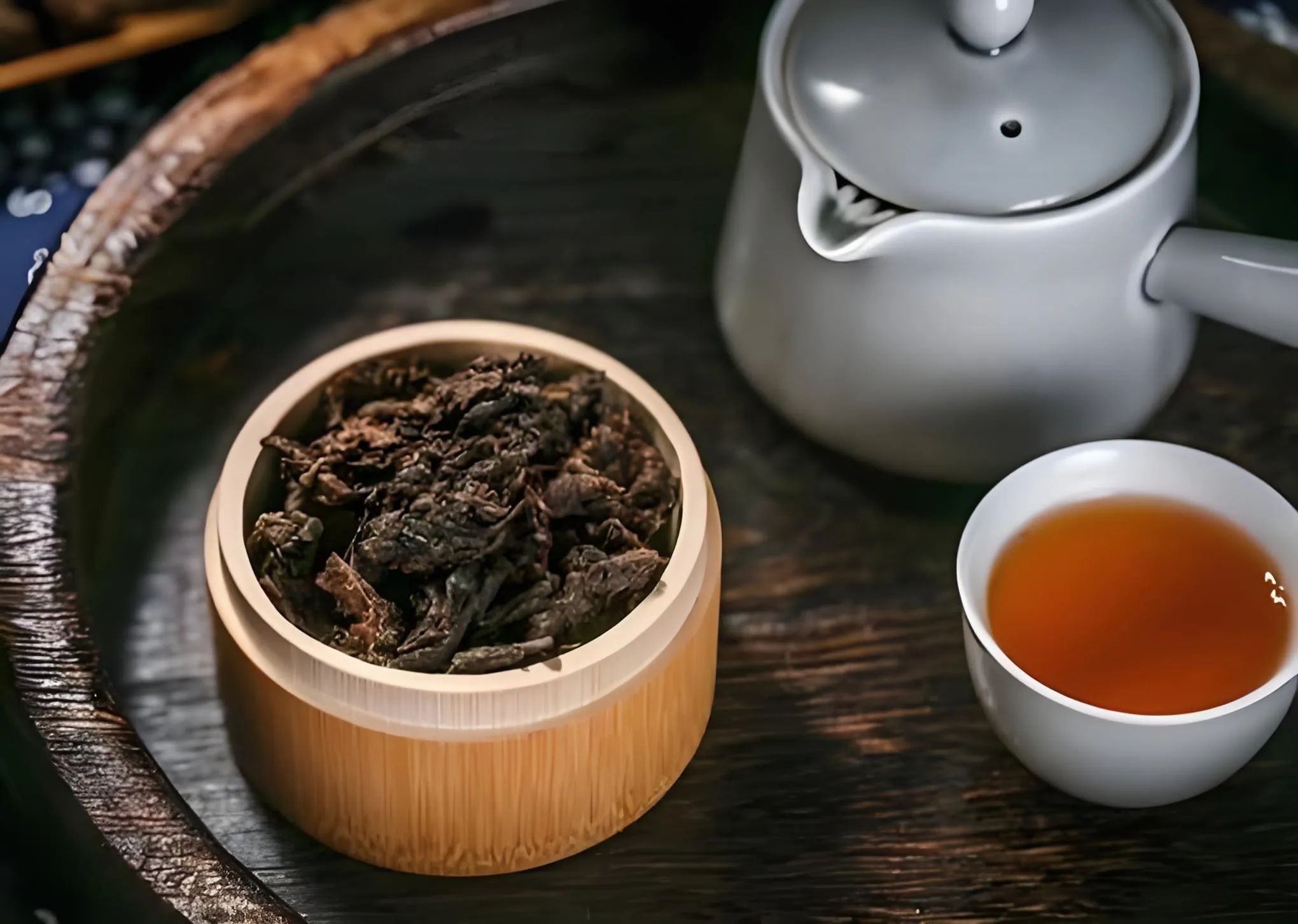
1. Highly Fermented Teas: The Mainstay of Gentleness
The degree of fermentation is key to determining whether a tea's nature is "cool" or "warm." Higher fermentation leads to more thorough conversion of stimulating compounds like tea polyphenols, resulting in a gentler character.
Fully Fermented Tea — Black Tea
- Why it's gentle: Black tea undergoes full fermentation, where tea polyphenols are converted into theaflavins and thearubigins, significantly reducing gastric irritation. Its nature is sweet and warm, rich in soluble sugars and proteins, making it ideal for generating warmth, especially in cooler seasons or for those with a cold constitution.
- Examples: Lapsang Souchong, Keemun Black Tea, Dian Hong.
Post-Fermented Tea — Dark Tea
- Why it's gentle: Dark teas (like ripe Pu-erh) undergo pile fermentation (wet piling), where microbial activity profoundly alters the tea's substance. The tea becomes mild, mellow, and smooth. It not only aids digestion and cuts through grease but can also form substances that protect the stomach lining. It has very low astringency.
- Examples: Ripe Pu-erh, Anhua Dark Tea, Liubao Tea.
2. Roasted or Aged Teas: The Transformed Gentle Teas
Some teas, while not highly fermented, become gentle through specific processing or aging.
Roasted Oolong Teas
- Why it's gentle: Oolong tea is semi-fermented, with a nature between green and black tea. Oolongs that undergo medium or slow roasting, such as strong-aroma Tieguanyin or traditionally processed Wuyi Rock Tea (Yancha), develop a harmonious character and warm, toasted aroma after the "fire" subsides, making them stomach-friendly.
- Examples: Traditionally charcoal-roasted Yancha, Strong-Aroma Tieguanyin, Aged Charcoal-Roasted Oolong.
"One Year Tea, Three Years Medicine, Seven Years Treasure" — Aged White Tea
- Why it's gentle: New white tea is relatively cool in nature. However, after three or more years of natural aging, its internal substances slowly transform, and its character gradually shifts from cool to balanced, eventually becoming gentle. Aged white tea offers a mellow, full-bodied liquor with both drinking and wellness value.
- Examples: Aged Baihao Yinzhen, White Peony (Bai Mudan), Shou Mei cakes.
3. Other Gentle Options
Aged Raw Pu-erh Tea
- New raw Pu-erh can be stimulating, but high-quality raw Pu-erh, when stored properly for over a decade, develops a mellow, complex liquor with a character that turns gentle and profound.
Herbal and Blended "Teas"
- Strictly speaking not true tea, but blends like Chenpi Pu-erh (ripe Pu-erh with dried tangerine peel), Red Date Tea, or Longan Tea use a gentle tea base combined with medicinal-food ingredients, enhancing warming and nourishing effects.
Summary and Curator's Advice
In conclusion, to judge a tea's gentleness, first consider its fermentation level, then its processing (roasting) and aging time. For most drinkers seeking a gentle cup, consider this priority list:
- First Choice: Fully fermented Black Tea and post-fermented Dark Tea (ripe Pu-erh) are the foundation of gentle teas.
- Second Choice: Aged White Tea (over 3 years) and well-roasted Oolong Tea offer both flavor and gentleness.
- Note: Green Tea, Yellow Tea, and new White Tea have a cooler nature. Those with a cold constitution or who are drinking on an empty stomach should consume them cautiously.
Curator's Note: The "gentleness" of tea is relative. The most important principle is to choose according to the individual, the season, and the environment. I recommend starting with low concentrations and weak infusions, paying close attention to your body's response, to find the truly "gentle tea" that suits you. May this guide help you find comfort, balance, and well-being within the aromatic world of tea.
