This is one of the most frequently asked questions among tea drinkers.
Some people feel refreshed after morning tea, while others experience nausea, dizziness, or heart palpitations. So what’s really happening?
Let’s break it down logically.
1. Why Does Tea Feel Stronger on an Empty Stomach?
Tea contains several active compounds:
1️⃣ Caffeine
Tea contains caffeine, which is absorbed faster when your stomach is empty.
Possible reactions:
- Increased heart rate
- Mild anxiety
- Warm sensation
- Lightheadedness
People sensitive to caffeine are more likely to experience these effects.
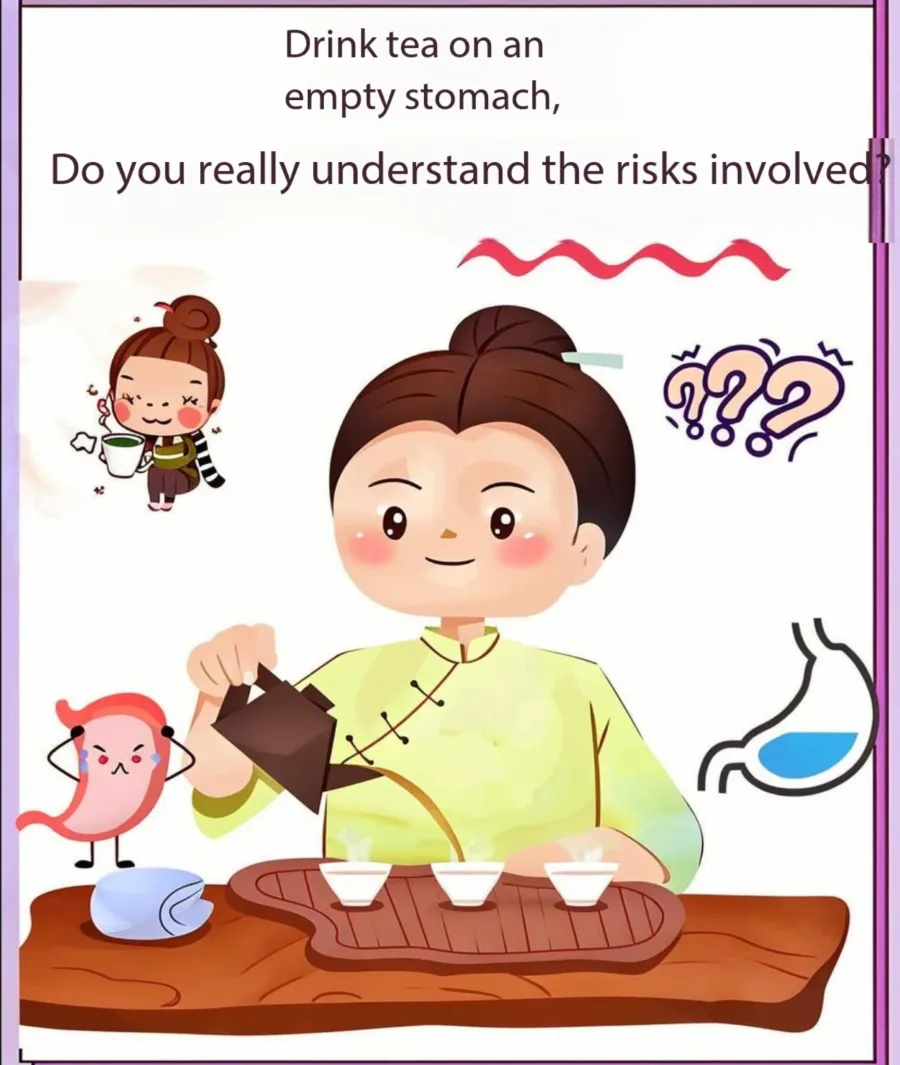
2️⃣ Tea Polyphenols
Tea polyphenols have astringent properties and may irritate the stomach lining when consumed without food.
Possible discomfort:
- Stomach tightness
- Acid reflux
- Nausea
- Mild stomach pain
Especially noticeable for those with gastritis or sensitive digestion.
3️⃣ Blood Sugar Levels
When blood sugar is already low in the morning, strong tea may intensify symptoms such as weakness, sweating, or shakiness.
This is one reason some people report feeling “tea sickness.”
2. Are All Teas Bad on an Empty Stomach?
Not exactly.
Different teas vary in intensity.
More stimulating teas:
- Strong green tea
- Raw Pu-erh
- Strong black tea
- Very fresh spring tea
These tend to be higher in active compounds.
Milder options:
- Aged white tea
- Ripe Pu-erh
- Aged oolong
- Lightly brewed black tea
Fermented or aged teas are generally gentler — but even then, drinking them completely on an empty stomach is not ideal.
3. Can You Drink Tea in the Morning?
Yes — but adjust the order.
A healthier routine:
✔ Drink warm water first
✔ Eat a small snack
✔ Brew tea lightly
This significantly reduces stomach irritation.
4. Who Should Avoid Drinking Tea on an Empty Stomach?
- People with stomach issues
- Those prone to low blood sugar
- Caffeine-sensitive individuals
- People with sleep problems
- Those with cold body constitution
Tea should nourish, not burden the body.
Final Thoughts
Drinking tea on an empty stomach is not strictly forbidden.
But:
Avoid strong tea on an empty stomach.
Avoid making it a long-term habit.
Healthy tea drinking means:
- Paying attention to timing
- Adjusting strength
- Understanding your body
- Listening to physical feedback
Tea is a companion for daily life — not a stimulant challenge.
Gentle rhythm is always better than intensity.
