Tea friends, this is the Site Owner. Today, let's discuss a very practical and potentially troublesome topic: Can you actually drink those teas on the market that are suspiciously cheap?
After so many years in this business, I've heard all the stories and seen all the tricks. My conclusion is straightforward: Some you can, but some you absolutely must not. This isn't a vague answer. The key is understanding where the line is drawn between "can" and "cannot." Today, I'll explain it all clearly.
1. Where Does the Low Price Come From? Trace Its Origin
The price of a cup of tea tells the story of its entire lifecycle. A low price always has a reason.
Mass-Produced "Daily Drinker" Tea (The Mainstream)
- Common Origin: From non-core, high-yield regions with relatively extensive farming practices.
- Common Material: Often summer or autumn harvest tea, or machine-picked, resulting in a lower grade (more stems, coarse leaves).
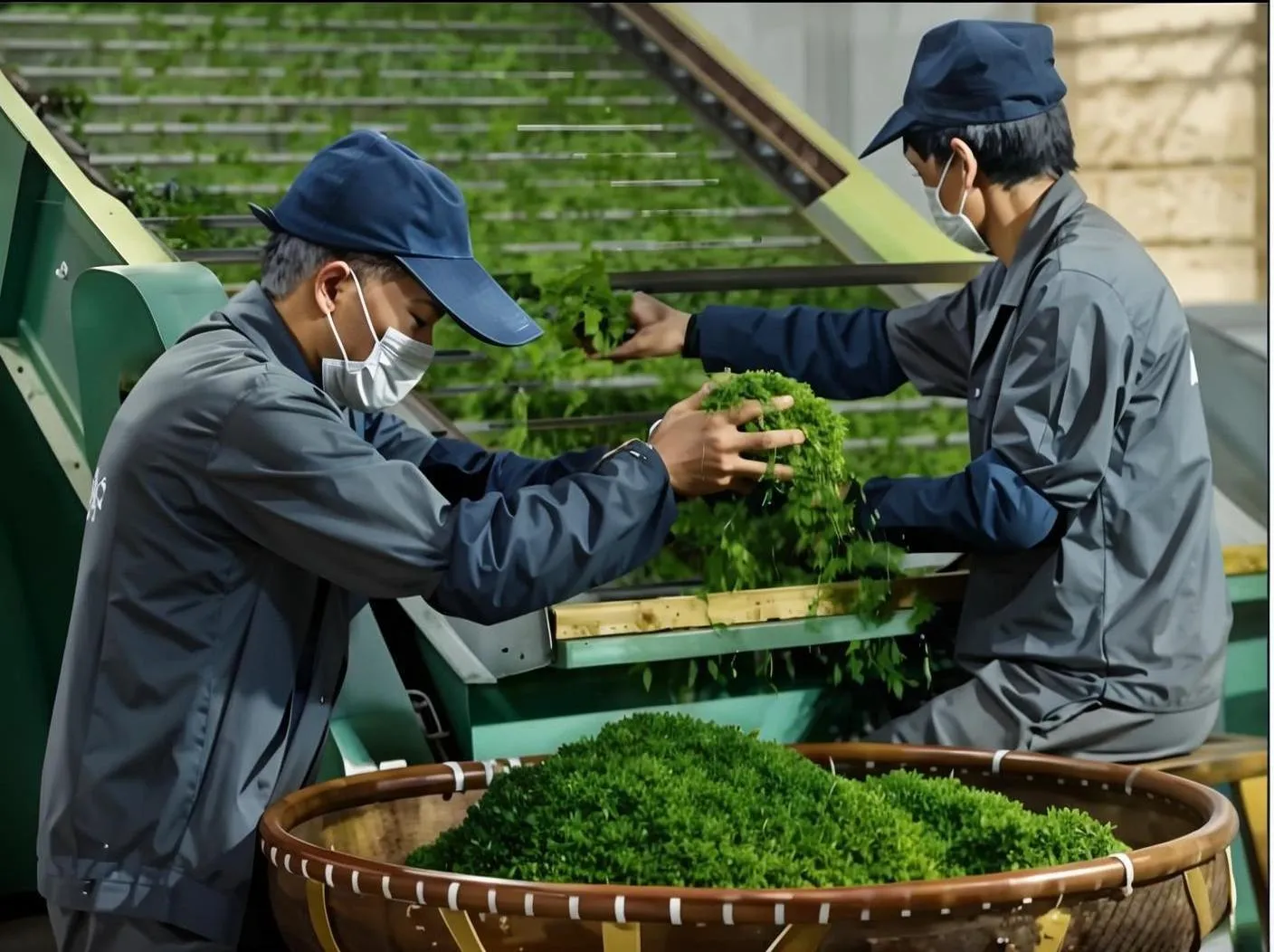
- Standardized Processing: Produced via efficient, stable, large-scale methods. It aims for a clean, neutral taste rather than outstanding or unique flavor.
- The Reality: This is the "basic consumer good" of tea, meant for daily hydration and a gentle caffeine boost. If produced according to regulations, it is generally safe to drink. Just don't expect a "spectacular" flavor experience.
"Clearance" Tea (Requires Scrutiny)
- This includes aged stock from previous years, leftover batches with new packaging, or distributor overstock. If stored properly and not spoiled, such tea can offer excellent value for money—a potential bargain for the discerning buyer.
"Problem Tea" (The Absolute Red Line)
This is what demands our vigilance. It may involve:
- Excessive pesticide or heavy metal residues (often from poorly regulated sources).
- Re-processed spoiled tea (tea that has been dampened, moldy, or otherwise degraded).
- Misrepresentation and fraud (passing off low-grade tea as premium, or falsifying its origin—the most common deceit).
- Added colors or artificial flavors (used to make inferior tea look and smell more appealing).
2. Cheap Tea You CAN Drink: Its Value and Place
For Low-cost tea, we must view its value rationally:
- Clear Functional Role: It's your daily "workhorse"—a reliable companion during work, a simple tool to quench thirst. It's not meant for elaborate tasting ceremonies.
- Builds a Flavor Baseline: For beginners, starting with such tea helps establish an understanding of tea's "basic flavors" (the core tea taste, astringency, aftertaste) at a very low cost of experimentation.
- Perfect for Blended Drinks: Ideal for making milk tea, fruit tea, or iced tea, where its robust tea flavor is sufficient. There's no need to use fine, expensive tea here.
Site Owner's Advice: Drink this type of tea with the right mindset. Appreciate its "tea taste," but don't seek complex layers or a lingering "tea resonance."
3. Cheap Tea You MUST NOT Drink: "Danger Signs" You Must Learn
When health is concerned, there is no compromise. Avoid at all costs if you notice:
- Smells Wrong: A sharp, sour, or rancid odor; a distinct mildew smell (reminiscent of a damp basement); or an unnatural, perfumey chemical fragrance.
- Looks Suspicious: Dry leaves are abnormally bright or uniform in color (possible dyeing), contain excessive dust or non-tea debris, or the brewed liquor is persistently and unnaturally cloudy.
- Tastes Unpleasant: Has an off-putting, chemical-like or metallic flavor; causes a persistent dry, scratchy, or tight feeling in the throat after swallowing (often associated with excessive pesticide residues or serious processing flaws).
- Comes from a "No-Info" Source: No labeled manufacturer, no production date, no food production license number (like China's SC mark). Be especially wary of teas from obscure social media or live-stream sellers with claims like "grandpa's homemade tea" or "direct from the farmer" but no verifiable credentials.
4. The Site Owner's Safety Checklist
To buy cheap tea safely, remember these ironclad rules:
Channel is Paramount:
- First Choice: Official flagship stores of reputable brands on major e-commerce platforms or products in large supermarkets. They provide basic quality control and customer service accountability.
- The Key: Look for a legitimate Food Production License number on the packaging (e.g., China's SC code). This is the baseline for legal and regulated production.
- Avoid: Unverified "wild" channels with no traceability.
Choose the Right Category:
- Prioritize: Standard green teas (like stir-fried green), common black teas, roasted oolongs, and jasmine teas. These categories have mature, industrialized production processes where finding safe, affordable options is easier.
- Be Highly Skeptical: Any tea claiming to be a famous, premium origin (e.g., "Lao Ban Zhang" pu-erh, "Jin Jun Mei" black tea) at an ultralow price. This defies all economic logic and is certainly a scam.
Practicality is a Virtue:
- Ignore fancy gift packaging. Opt for simple "daily drinker" pouches or affordable sample sizes.
- Always try a small amount first. Only make a larger purchase if you are satisfied.
Summary
So, can you drink very cheap tea?
The core of the issue is distinguishing between "qualified, affordable products" and "inferior products with safety risks."
The former is a necessary and legitimate part of the market—it is drinkable and should be consumed with realistic expectations. The latter is harmful and should be completely avoided.
As consumers, our top priority must be "Safety." Only after that can we consider "Taste." Choosing safe, pleasant-tasting tea within your budget from reliable sources—that is the foundation of a healthy tea lifestyle. There is no shame in drinking affordable tea, nor any need for anxiety over not being able to afford the most expensive teas.
The goal of understanding tea is not to show off, but to drink with clarity, confidence, and peace of mind. I hope my straightforward talk today helps clear away some of the confusion.
