Hello tea friends, this is the site owner. We often hear that "fine tea requires skillful brewing," and the essence of this skill lies in the precise control of time and temperature. Today, let's set aside the mystique and, like laboratory technicians, clarify how these two variables shape the flavor map in your cup.
一、 Water Temperature: The "Ignition Key" for Flavor
The water temperature directly determines the speed and proportion at which various compounds are extracted from the tea leaves.
High Temperature (90°C - 100°C / 194°F - 212°F):
- Effect: Rapidly activates the tea's contents, especially fully releasing polyphenols (source of astringency), caffeine (bitterness), and aromatic compounds.
- Best For: Highly oxidized teas or those made from coarse leaves, such as Oolong, Pu-erh, aged White Tea, and Black Tea. They need sufficient heat to "open up" their structure and release their robust flavors.
- Risk: If used for delicate green teas, it can scorch the leaves, resulting in a yellowish liquor, bitter taste, and masking their fresh, delicate nature.
Medium-Low Temperature (70°C - 85°C / 158°F - 185°F):
- Effect: Gentle extraction, prioritizing the dissolution of amino acids (umami/freshness) and soluble sugars (sweetness), while suppressing excessive release of polyphenols.
- Best For: Teas prized for their delicacy and freshness, such as premium Green Teas (Longjing, Biluochun), Yellow Tea, and bud-heavy White Tea.
- Advantage: The liquor is sweeter, fresher, and smoother, better showcasing elegant notes like "chicken broth umami" or "creamy bean fragrance."
二、 Brewing Time: The "Control Valve" for Strength
The steeping time determines the "amount" of compounds extracted.
Short Time (10 seconds - 30 seconds):
- Flavor Profile: Light, fresh, and aromatic liquor, with body and complexity still developing. Ideal for appreciating fragrance or the first few infusions.
- Common Use: The initial quick brews in the Gongfu tea style (e.g., for Rock Tea or Dancong).
Medium Time (30 seconds - 1 minute):
- Flavor Profile: A relatively balanced state of sweetness, freshness, aroma, and slight astringency. This is the golden zone for the "standard flavor" of most teas.
- Common Use: Standard brewing with a gaiwan or teapot for various tea types.
Long Time (1+ minutes):
- Flavor Profile: Strong, thick, and full-bodied liquor, potentially with noticeable astringency. All compounds are heavily extracted, amplifying both virtues and flaws.
- Risk & Use: High risk of over-extraction and bitterness. Typically used for professional tasting or later infusions of certain aged or compressed teas that require powerful brewing.
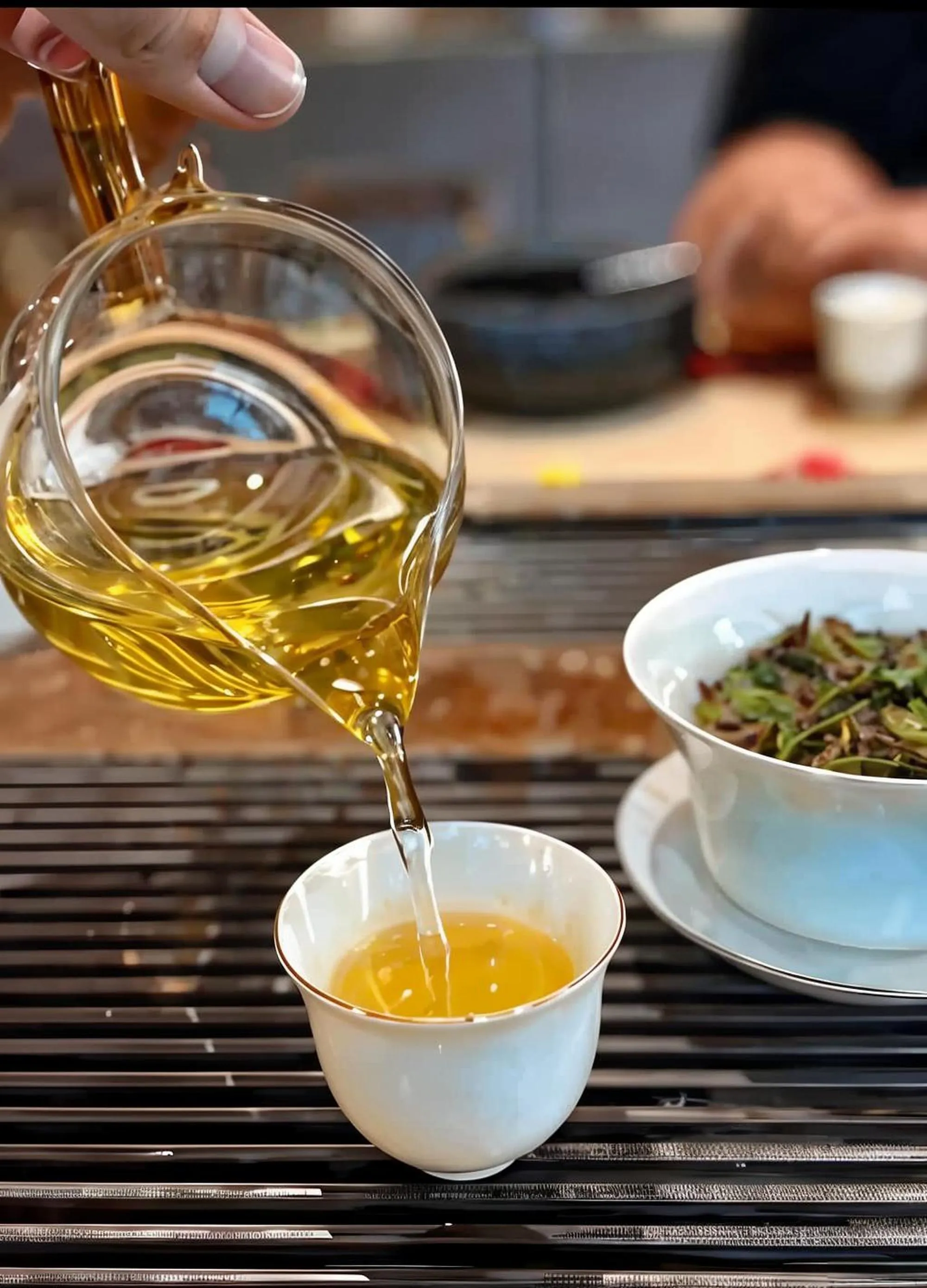
三、 The Site Owner's Practical "Time & Temp" Chart
Remember this core logic: Higher temperature can pair with shorter time; lower temperature may require longer steeping. The table below is a general guide (adjust for specific teas).
| Tea Type | Suggested Temp | Suggested 1st Brew Time | Core Logic |
|---|---|---|---|
| Delicate Green/Yellow Tea | 75°C - 85°C (167°F - 185°F) | 20 - 30 seconds | Lower temp avoids astringency, highlights freshness. |
| Wuyi Rock Tea / Dancong | 95°C - 100°C (203°F - 212°F) | Immediate - 10 sec | Boiling water unlocks aroma; quick brews build layers. |
| Ripe Pu-erh / Black Tea | 95°C - 100°C (203°F - 212°F) | 10 - 20 seconds | Boiling water breaks down leaves for quick, robust flavor. |
| Raw Pu-erh (Cake) | 95°C - 100°C (203°F - 212°F) | 10 - 15 seconds | Quick early brews avoid astringency; longer later brews build depth. |
| White Tea (White Peony grade) | 90°C - 95°C (194°F - 203°F) | 25 - 35 seconds | Slightly lower temp for elegance; slightly longer time for sweetness. |
Summary: Your Preference is the Final Formula
There are no absolute, rigid rules for brewing tea. The combination of time and temperature ultimately serves your personal taste.
- If you prefer fresh and sweet: Try lowering the temperature or shortening the time.
- If you seek bold and full-bodied: You can increase the temperature or extend the steep.
I recommend starting with a standard parameter and then consciously conducting "variable experiments": next time you brew the same tea, change only the time OR the temperature, and carefully taste the difference. This process is the essential path from "brewing tea" to "understanding tea."
Remember, the best brewing parameters are the ones that make the tea in your cup most enjoyable to you. I hope this guide helps you become the master of your own brewing journey.
