Among Chinese green teas, Longjing (Dragon Well) is famous for its distinctive “beany” aroma.
But why does it smell like beans?
Is it natural, or created during processing?
Let’s break it down.
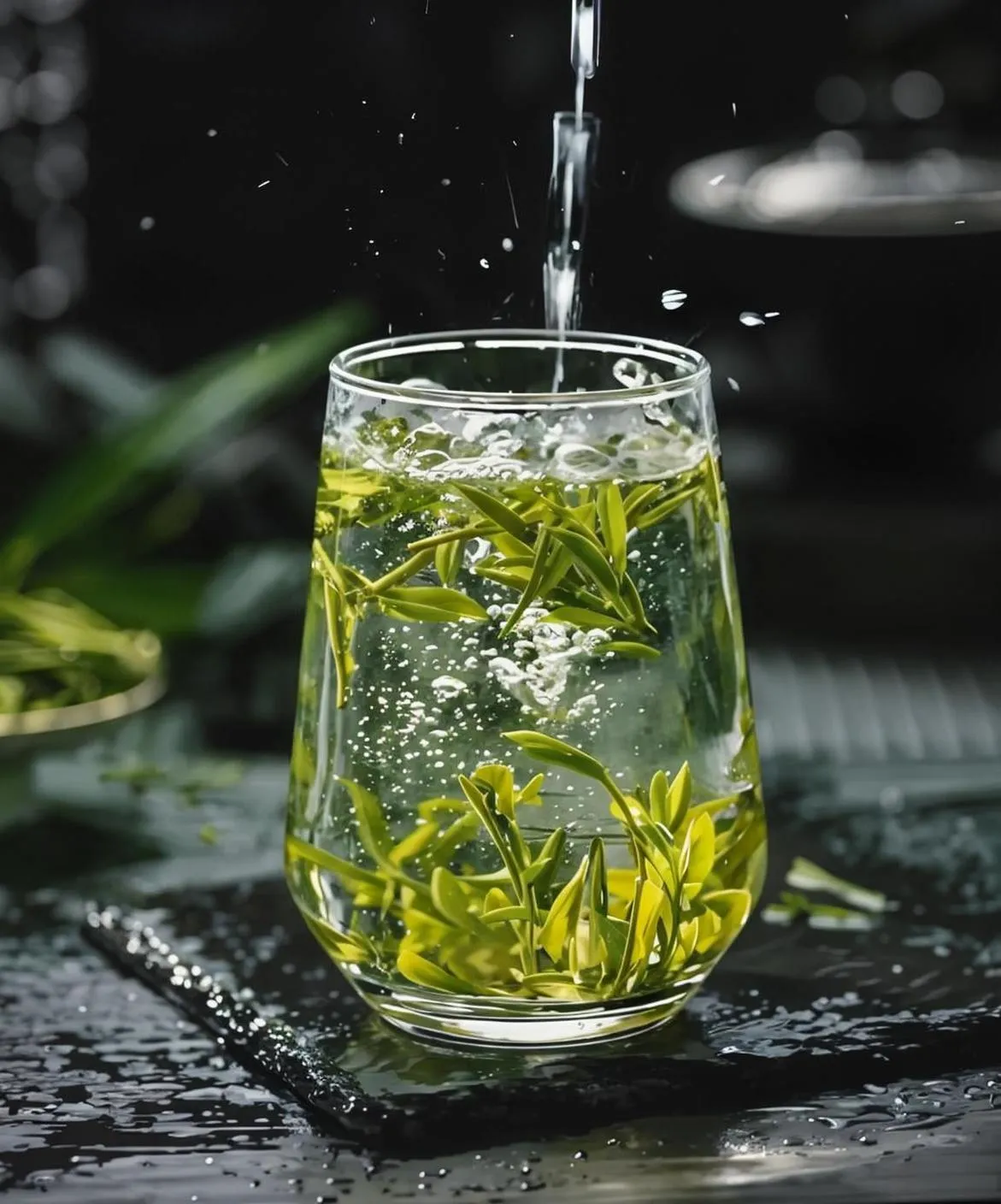
1. The Role of Pan-Firing
Longjing is a pan-fired green tea.
During high-temperature fixation, amino acids and sugars in the tea leaves undergo mild Maillard reactions.
This is the same reaction responsible for the aroma of roasted beans and baked bread.
The result is a light, sweet, beany fragrance.
2. Cultivar Matters
Core Longjing cultivars contain relatively high amino acid levels.
These compounds enhance the formation of sweet, nutty aromas during heating.
3. Not All Green Teas Have This Aroma
Steamed green teas (like Japanese sencha) rarely develop beany notes.
The pan-firing method is key.
4. Does Strong Beany Aroma Mean High Quality?
Not necessarily.
A good Longjing should have:
- Fresh sweetness
- Layered aroma
- Smooth texture
- Lingering aftertaste
If it smells only heavily roasted, quality may not be high.
Final Thoughts
Why does Longjing tea have a beany aroma?
Because of:
- Amino acid reactions under heat
- Pan-firing technique
- Specific tea cultivars
- Careful temperature control
It’s not artificial — it’s chemistry and craftsmanship.
But remember: true quality Longjing is more than just bean aroma.
It’s about balance, freshness, and elegance.
