Hello tea friends, this is the Site Owner. Today, let's discuss a seemingly basic question that fundamentally affects how you buy, store, and drink tea: What's the real difference between loose tea and compressed tea?
Many think it's just about appearance, that you can pick either one casually. If you think so, you might be missing more than half the wonder and knowledge in the world of tea. Today, I'll take you behind these two major forms to uncover their respective purposes and secrets.
1. Core Definition: Form as Philosophy
First, let's define our subjects:
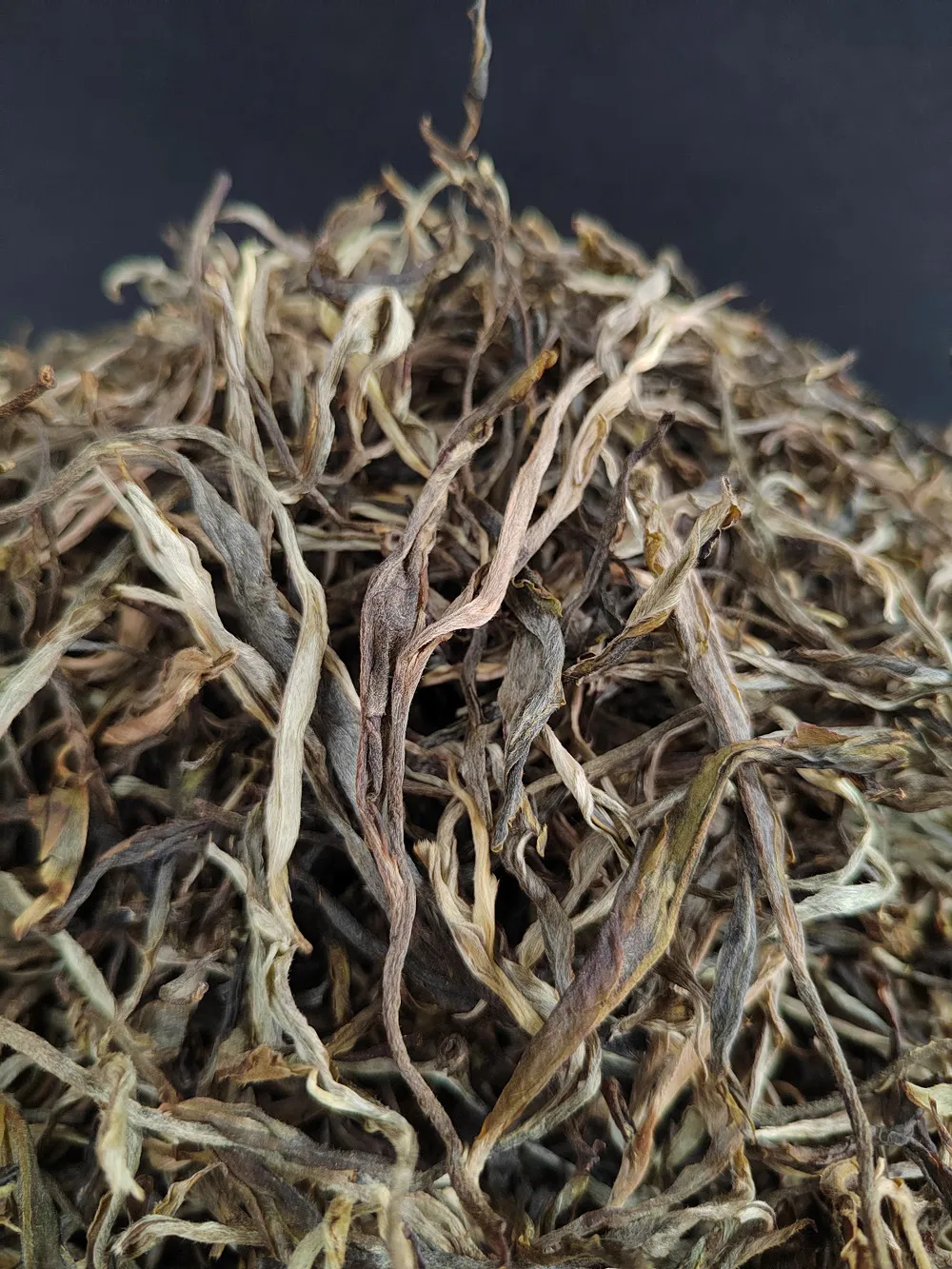
- Loose Tea: Refers to tea that retains its natural, loose leaf or strip form after finishing, without undergoing a compression process. This is the tea's most "authentic" state upon production.
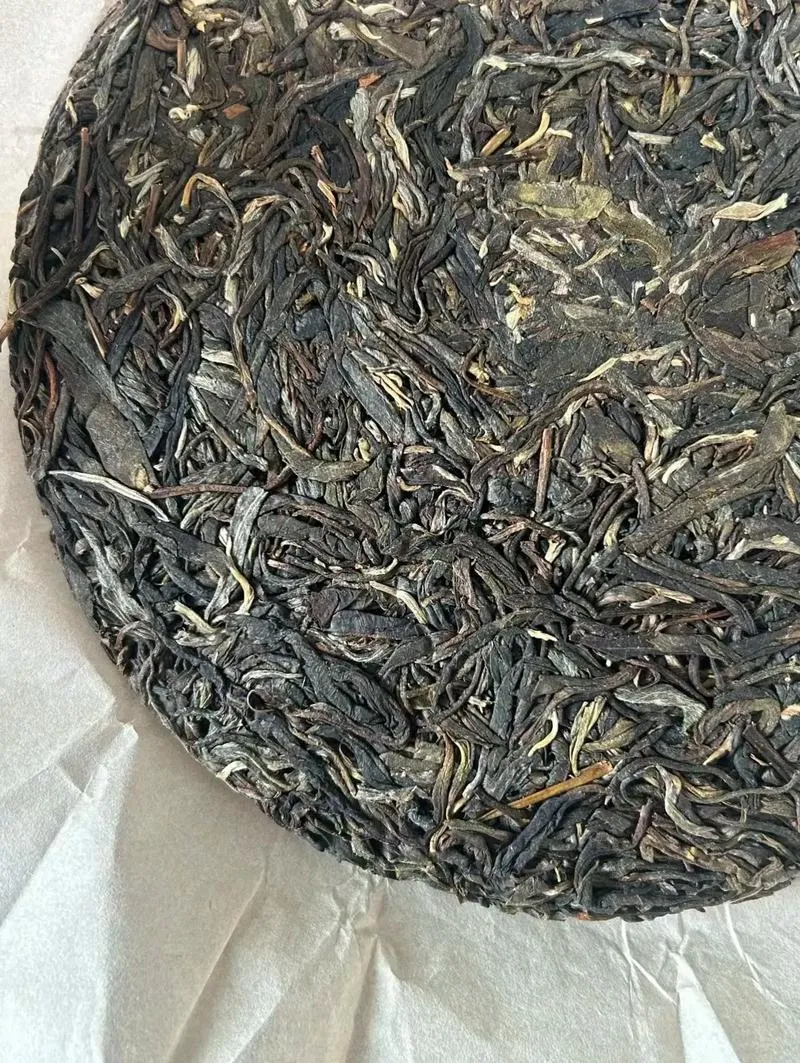
- Compressed Tea: Refers to tea that has been softened with steam and pressed into specific shapes using external force (stone molds, machines, or hand-pressing). Common forms include cakes (bing), bricks (zhuan), tuo cha, melons (jin gua), and pillars.
The Site Owner's Core View: Loose tea is for "presentation"; compressed tea is for "commitment." One is for immediate appreciation, the other for long-term companionship.
2. Multi-Dimensional Comparison: A Dialogue with Time
Let's have a comprehensive comparison. After this, you'll know how to choose.
| Aspect | Loose Tea | Compressed Tea |
|---|---|---|
| Form & Appearance | Naturally loose, with intact, clear leaves. Color and quality are easily visible. | Neat, compact, with specific shapes (cake/brick/tuo). Must be broken open to see inside. |
| Key Processing Difference | Lacks the "steaming & pressing" and subsequent "drying" stages. Simpler processing, closer to the raw mao cha state. | Includes the "steam-pressing" stage. Steam softens leaves, partially breaking cell walls, making compounds more accessible. Requires longer drying post-pressing. |
| Aging Path & Speed | Faster, more direct aging. Full contact with air leads to vigorous oxidation and maturation. Initial aroma is potent, flavor changes noticeably, but can lose character later; aging trajectory is harder to control. | Slower, more complex aging. Creates a "micro-fermentation environment" inside with stable temperature/humidity. Ages from the outside in, slowly and evenly. Ideal for long-term aging, often develops mellower, smoother, more layered and surprising flavors. |
| Storage & Space | Occupies more space; volume can be several times that of compressed tea for the same weight. Fragile, less suitable for long-distance transport. | Extremely space-efficient, perfect for bulk storage and long-distance transport (key for ancient Tea Horse Road). |
| Access & Brewing | Extremely convenient access, ready to use. Intact leaves allow for even extraction during brewing. | Requires breaking (a skill in itself). Poor technique yields too many broken pieces. Inconsistent aging from outside to inside may require "awakening" the tea or adjusting steep times. |
| Quality Assessment Difficulty | Easier to assess. Dry leaves, aroma, and spent leaves are all visible. Harder to fake quality. | Higher barrier for assessment. Hard to judge internal material by外表 alone; risk of "face sprinkling" (good leaves on surface, inferior inside). Requires tasting, even breaking to the middle layer to see the truth. |
| Common Tea Type Applications | Standard form for most tea types: Green, Black, Oolong, Yellow tea. Some raw Pu-erh (mao cha), loose White Tea. | Primarily for teas intended for long storage and post-fermentation: Pu-erh (cake/brick/tuo), White Tea cakes, Hei Cha (Fu brick, Qing brick), some aged Oolongs (e.g., pressed aged Tieguanyin). |
3. Practical Guide from the Site Owner: How Do I Choose?
Don't simply think one is better. The key is "which one better suits your current needs."
You Should Choose Loose Tea, If:
- You seek the ultimate current flavor: Want to experience the most authentic, fresh, and complete flavor profile of a tea (especially new tea), like the floral honey notes of new White Tea or the raw, wild character of Pu-erh mao cha.
- You're in the learning and tasting phase: Loose form allows the most direct observation of dry leaves, dry aroma, and spent leaves—the best textbook for learning.
- For short-term drinking or quick consumption: Plan to finish it within six months to a year, avoiding the hassle and risk of long-term storage.
- You value convenience and dislike hassle: Don't want the step of breaking the tea; pursue the simplest drinking experience.
You Should Choose Compressed Tea, If:
- For long-term collection and investment: This is the core value of compressed tea. It provides a stable, slow-aging environment, making it a "friend of time." You look forward to the surprise when opening it in five or ten years.
- To save storage space: With limited home storage space, compressed tea is the best way to expand your collection.
- You love mellow, full-bodied textures: Enjoy the transformation where a tea's sharp edges fade over time, becoming, smooth, and complex in flavor.
- You relish "ritual and ceremony": Enjoy the entire process of anticipation and focus involved in breaking, weighing, and awakening the tea.
4. Special Note on "Same Material, Different Form"
The market often has "the same batch of material made into both loose tea and cakes." Please note: Even with the same raw material, loose tea stored for one year and a cake stored for one year will taste completely different. The "steam-pressing" process itself is a micro-fermentation that alters the tea's initial state. Therefore, don't use the taste of the loose tea to entirely imagine the future of its compressed version.
Summary
So, what is the ultimate difference between loose tea and compressed tea?
They are two fundamentally different solutions that tea offers in response to the dual challenges of "Time" and "Space."
- Loose tea is the "live in the moment" artist. It unreservedly displays everything about its initial self, engaging you in a passionate, direct dialogue. But it also tends to dissipate its over time.
- Compressed tea is the "cultivate the future" practitioner. It wraps itself up, engaging in a slow, deep exchange with time in silence, transforming present sharpness into future.
As tea drinkers, our wisdom lies in this: Use loose tea to taste the "terroir" of the present, and use compressed tea to store the "time" of the future. Between the two, there is no superiority, only difference in purpose.
Next time you face the choice, ask yourself: Am I paying for my palate's pleasure now, or investing in a surprise for a future moment? Once you figure this out, your choice won't be wrong.
Remember the Site Owner's words: Understanding the form of tea is the key to grasping its spirit.
