Hello, tea friends. This is your curator. Today, we tackle a contentious yet highly practical topic in the tea world: Should you add milk and sugar when drinking black tea? This is not merely a matter of taste preference but a dialogue spanning continents, involving tea culture and sensory aesthetics. My stance as curator is clear: There is no absolute right or wrong, only wise choices based on different purposes, contexts, and types of tea. Let's unravel the layers of this topic.
1. The Divide of History and Culture: Two Parallel Rivers
To understand this choice, one must first grasp its cultural roots.
The Western Path: The "Taming" with Milk and Sugar
- Black tea arrived in Europe in the 17th century as a luxury. The strongly aromatic black teas (like Lapsang Souchong) of early trade had intense flavors, and milk was used to soften astringency and add creamy body. Adding sugar further balanced the taste, aligning with the period's preference for sweetness. This evolved into the classic ritual of English Afternoon Tea, establishing a blending tradition based on robust teas like Assam and Ceylon.
The Eastern Tradition: "Straight" Drinking to Savor "Authenticity"
- In its Chinese birthplace, the primary method of enjoying black tea has always been drinking it straight ("Qing Yin"). Whether appreciating the "Keemun Aroma," the honeyed sweetness of Yunnan black, or the smoky longan taste of Lapsang Souchong, the focus is on the complex layers of the tea itself—its cultivar, processing, and terroir. Adding milk and sugar is often seen as masking the tea's "true character."
2. The Scientific Perspective: The Chemical Encounter of Milk, Sugar, and Tea
Beyond culture, additives significantly alter the tea liquor.
The Role of Milk: The Magic of Creaminess and a "Soft-Focus Filter" for Flavor
- Positive: Casein in milk binds with tea polyphenols (especially theaflavins and thearubigins) in the brew, effectively reducing astringency and imparting a full-bodied, smooth mouthfeel. It acts like a soft-focus filter on strong light.
- Trade-off: This "filter" inevitably mutes or masks the tea's inherent floral, fruity, and other elevated aromas, along with some nuanced flavor layers. The liquor color lightens to a milky brown.
The Role of Sugar: A Flavor "Amplifier" and "Balancer"
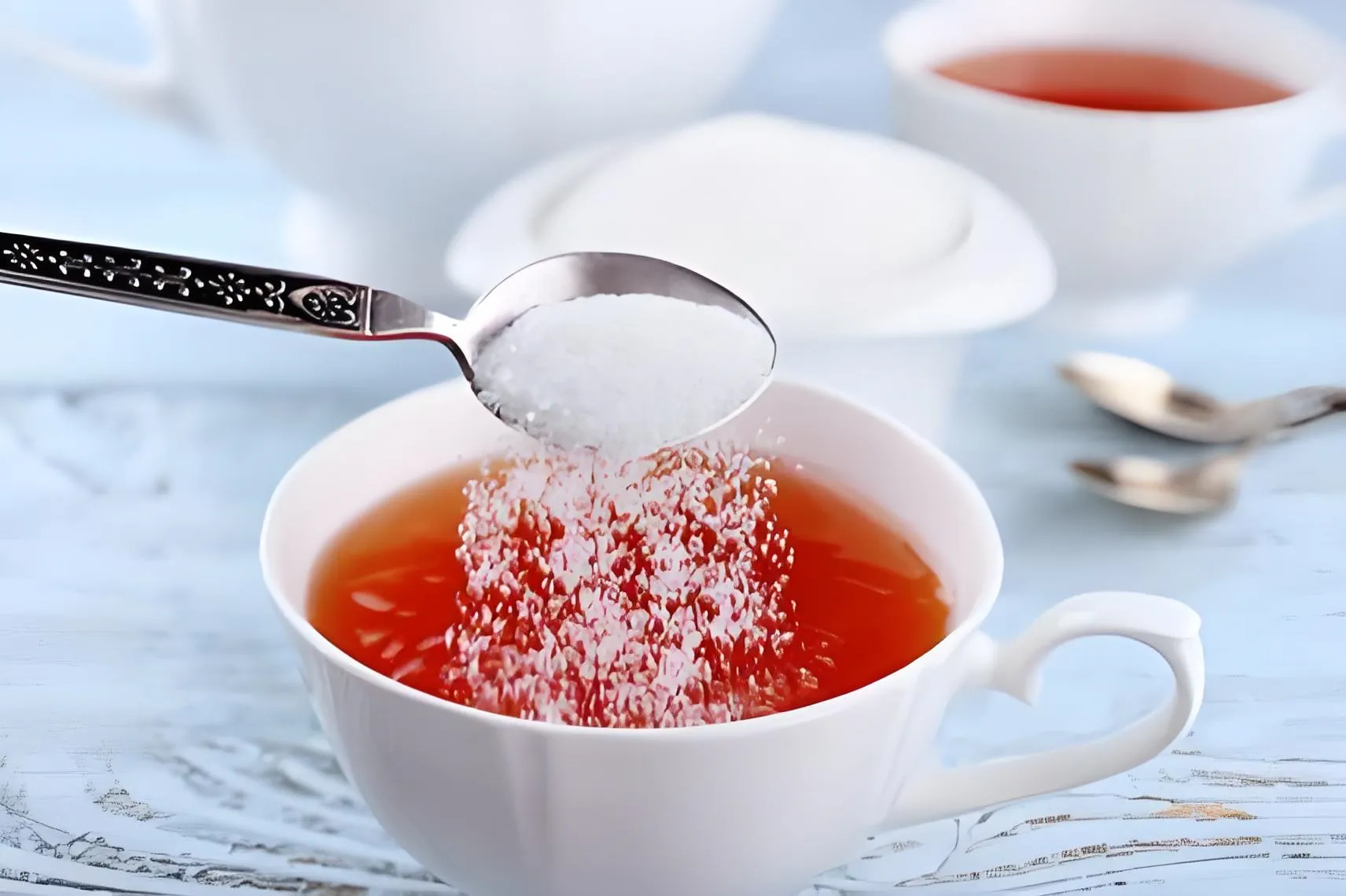
- Positive: A moderate amount of sugar can enhance the natural sweet, mellow notes in the tea and suppress unpleasant bitter aftertastes. It can also synergize with certain aromatic compounds, boosting caramel or honey-like flavors.
- Risk: Excessive sugar completely dominates the palate, reducing the tea to a mere backdrop for sweetness and negating the purpose of tasting.
3. Curator's Practical Guide: How to Choose and Pair Intelligently?
Understanding the principles allows for conscious choices rather than habitual ones.
Scenario 1: Seeking Convenient Deliciousness and Comfort — "Suitable to Add, and There's an Art to It"
Tea Selection Core: Choose black teas with robust flavor, hearty aroma, and bold character, not necessarily prized for delicacy.
- Top Candidates: Assam black tea, Ceylon black tea (especially Uva region), traditionally processed Yunnan black tea (Dian Hong). Their inherent malty notes and strength stand up well to milk and sugar, making for a full-flavored classic milk tea.
Pairing Suggestions:
- Tea First, Then Milk: Brew a strong liquor first, then add warm milk to taste. This allows better control over the final result.
- Add Sugar Later: Taste the blend of milk and tea first, then add sugar or honey if desired, to better appreciate the progression.
- Experiment with Spices: Try simmering the tea with cinnamon, cloves, or ginger for a spiced milk tea (Chai Tea).
Scenario 2: For Tasting, Learning & Enjoying Terroir — "Not Recommended; Focus on Straight Drinking"
Tea Selection Core: Choose high-quality black teas renowned for aroma, aftertaste, and unique regional character.
- Classic Examples: Keemun black tea (for its Keemun Aroma), high-grade Lapsang Souchong (smoky, longan taste), Jin Jun Mei (complex floral/fruity/honey notes), Yunnan ancient tree sun-dried black tea (sun-sweetness).
Tasting Suggestions:
- Drink Straight to Observe: Appreciate the liquor's golden ring and bright, reddish hue.
- Drink Straight to Smell: Capture the evolving aromas from the lid, liquor surface, and empty cup.
- Drink Straight to Savor the Rhythm: Experience the complete journey of sweetness,醇厚/mellowness, liveliness, and甘/sweet aftertaste in the mouth. Any addition interrupts this complete experience.
Summary: The Curator's Inclusive Tea Philosophy
Ultimately, "suitability" depends on your purpose for drinking tea.
- If you are a flavor explorer and life enjoyer, feel free to make a quality milk tea with robust black tea or add a cube of sugar. It's a cross-cultural pleasure, perfectly valid.
- If you are a tea taster and seeker of traditional culture, then practice patience in preparing a fine black tea straight, engaging in a deep dialogue with the leaf and its terroir.
The Curator's final advice is: Be inclusive and integrative.
Consider stocking two types of black tea: one for blending, to create a comforting drink for morning or afternoon; another for straight drinking, to savor mindfully in quiet moments. This way, you appreciate both black tea's worldly包容力/versatility and its intricate subtlety as an embodiment of Eastern wisdom.
The world of tea is vast and embracing. Respecting tradition does not mean rejecting innovation. Finding the cup that brings you the most joy is the best tea practice of all.
