Hello tea friends, especially our female enthusiasts. This is the Site Owner. Today, we address a common and often debated concern: Is it okay to drink tea during your menstrual period?
Myths like "tea causes anemia" or "tea is cooling and worsens cramps" abound. Let's move beyond hearsay. We'll examine the facts, the science, and provide a clear, actionable framework for your personal decision.
1. The Core Concerns: Tea Compounds and the Menstrual Cycle
Menstruation is a physiologically sensitive time. Let's analyze key tea components:
Caffeine – The Misunderstood Stimulant
Potential Effects:
- Stimulation: Caffeine excites the central nervous system and constricts blood vessels. For some women with severe symptoms like dysmenorrhea (painful cramps) or migraines, it might intensify discomfort or disrupt sleep, worsening PMS.
- Diuretic Effect: May increase fluid and mineral loss, making hydration more important.
- Crucial Clarification: Caffeine does not directly cause "anemia" or reduce blood volume. It doesn't destroy red blood cells or hemoglobin.
Tannins (Polyphenols) – The "Iron" Question
- This is the basis of the "tea causes anemia" myth. Tannins can bind with non-heme iron (from plant sources like vegetables, legumes) in food, forming complexes that are harder to absorb, temporarily reducing iron absorption from that meal.
Key Understanding:
- This effect is "temporary" and "competitive", not a permanent block on iron stores.
- If you have adequate iron reserves and a balanced diet, this transient effect is negligible.
- It primarily affects plant-based iron; impact on heme iron from meat is minimal.
The "Nature" of Tea (Cooling/Warming) – A TCM Viewpoint
- From Traditional Chinese Medicine perspective, unoxidized teas like Green Tea or young Raw Pu-erh are considered "cooling" in property.
- For women with a constitutionally cold body type (often feeling cold, experiencing cold-type cramps relieved by heat, pale complexion), consuming large amounts of "cooling" teas might theoretically aggravate internal cold, leading to discomfort.
2. Decision Guide: Which Category Do You Belong To?
A one-size-fits-all answer is irresponsible. Assess your situation:
Consider Avoiding or Being Cautious with Traditional Tea (Especially Strong Brews) If:
- You experience severe period symptoms (intense cramps, significant pain, migraines).
- You have been diagnosed with iron-deficiency anemia and are on supplementation. Avoid strong tea during meals/medication; allow a 1-2 hour gap.
- You have a pronounced "cold" constitution (often feel cold, crave warmth).
- You have poor sleep quality during your period and are sensitive to caffeine.
You May Drink in Moderation with Smart Choices If:
- You have minimal discomfort and are generally healthy.
- You have a balanced or "warm" constitution.
- You are a long-term tea drinker whose body is accustomed to it.
3. The "Period-Friendly" Tea Menu (If You Choose to Drink)
For most healthy women, it's about "choosing wisely" and "drinking mindfully."
【Top Tier: Gentle, Oxidized/Aged Teas】
- Fully Oxidized Black Tea: Considered "warming." The processing alters caffeine, making it gentler. E.g., Dian Hong, Keemun. A little brown sugar or dried longan can be added.
- Ripe (Shou) Pu-erh: "Warming" due to post-fermentation. Smooth, mellow, with very low irritation. A safe choice.
- Aged White Tea (3+ years): Its nature transforms to "warm" with age. Rich in tea polysaccharides, offering a soothing, sweet taste.
- Aged Dark Tea / Oolong: E.g., aged Anhua Hei Cha, well-roasted Oolong. Neutral to warm in nature.
【Teas to Avoid】
- Young Raw (Sheng) Pu-erh: Potent and most stimulating.
- Strong Green Tea: High in polyphenols/caffeine, "cooling" property.
- Any Iced/Cold-Brewed Tea: Regardless of type, avoid cold beverages during menstruation.
【Herbal Tea / Alternative Recommendations】
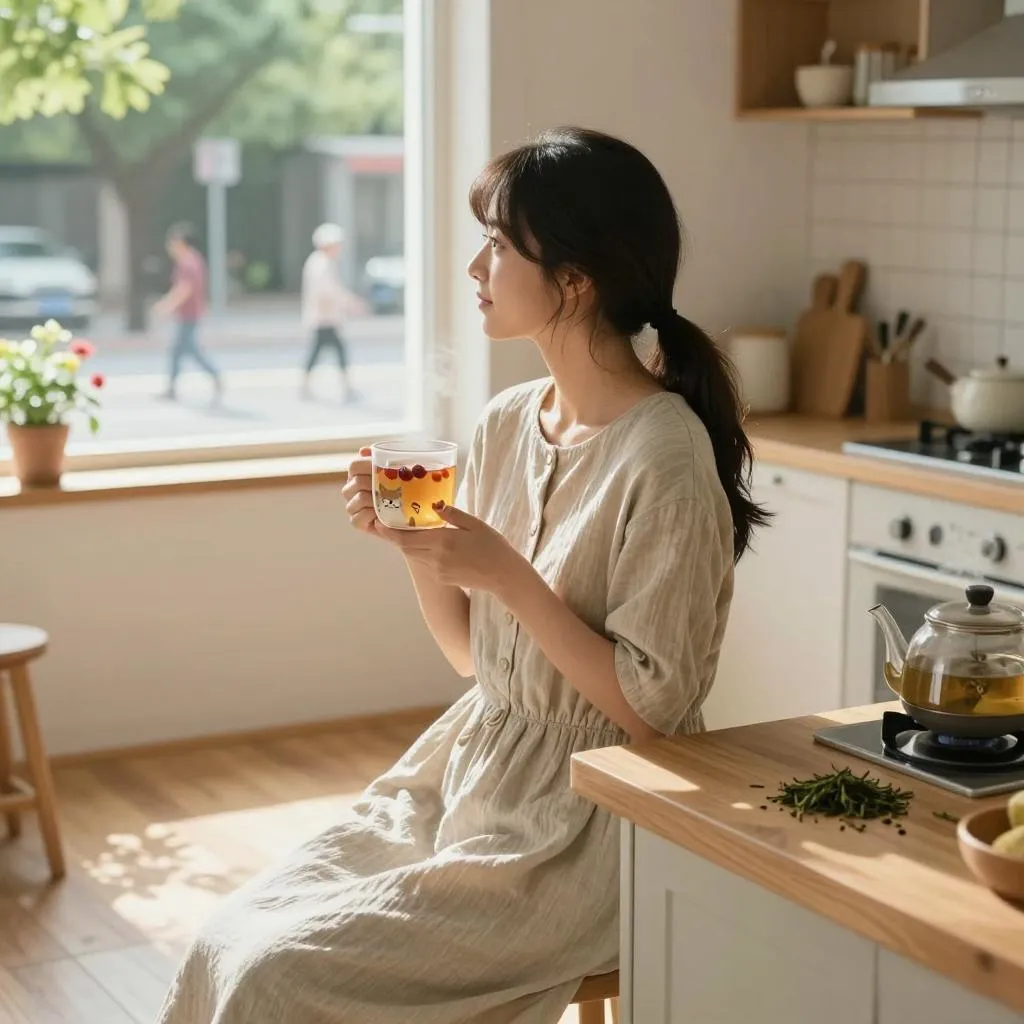
- Goji Berry & Red Date Tea: Nourishes blood, warms the body.
- Longan Tea: Warming, alleviates fatigue.
- Ginger & Brown Sugar Tea: Classic for warming the uterus and dispelling cold.
- Rose Tea: Soothes emotions, relieves mood swings (Note: has mild blood-activating properties; use with caution if flow is very heavy).
4. Final Recommendations & Summary
So, can you drink tea during your period?
The answer: It's not a simple yes/no, but a personalized choice based on mindful consideration.
Core Advice for All Women:
- Listen to Your Body First: It's your best guide. If a tea causes discomfort, stop.
Follow the "Light, Warm, Less" Principle:
- Light: Brew it weaker than usual.
- Warm: Drink it warm, not hot or cold.
- Less: Reduce the quantity. Savor a cup, don't guzzle.
- Mind the Timing: Avoid drinking tea with meals to minimize potential impact on iron absorption. Opt for between meals.
- Build a Strong Nutritional Foundation: Ensure your diet is rich in iron (red meat, liver, spinach) and Vitamin C (enhances iron absorption). With good reserves, there's no need to over-worry about a cup of tea.
Closing Thoughts:
Tea is meant to be a source of pleasure. During your period, a time for self-care, be kind to yourself. You don't need to deprive yourself based on outdated taboos, nor should you ignore your body's signals for the sake of habit. A wise tea drinker makes informed, self-attentive choices based on science and self-awareness.
**Remember the Site Owner's words: Caring for yourself begins with drinking every cup of tea wis
