Tea friends, this is the Site Owner. Today, we explore a topic that is both heartfelt and important: How do we choose the right cup of tea for our elderly parents and grandparents?
As the body ages, its functions and needs change. A strong tea enjoyed in youth may no longer be suitable. Choosing tea for seniors isn't just about "giving them what they like"; it's an act of "health-conscious care" based on understanding. Let's delve into this matter thoroughly.
1. The Core Principle: Understand the Body's Changes, Then Choose the Tea
Selecting tea for the elderly begins with key understandings:
- Slower Metabolism, Increased Sensitivity: Reduced ability to process stimulants like caffeine and polyphenols, leading to a higher risk of heart palpitations, insomnia, or stomach discomfort.
- Declining Sleep Quality: The nervous system becomes more sensitive to sleep-disrupting substances.
- Weaker Digestion: Reduced gastric secretion and slower intestinal motility mean lower tolerance for highly astringent or "cooling" teas.
- Management of Common Age-Related Conditions: Many seniors manage conditions like hypertension, high cholesterol, diabetes, or osteoporosis. Tea consumption should complement, not conflict with, medications and health goals.
- Vital Energy (Qi) Tends to be Deficient: From a holistic wellness perspective, elderly constitutions often benefit from warming, nourishing, and gentle support, avoiding anything overly cooling or harsh.
The Site Owner's Adage: For the elderly, safety and comfort always come before flavor intensity or stimulation.
2. The Tea Traffic Light: A Clear Navigation Guide
Based on these principles, we can categorize teas.
Green Light: Highly Recommended (Gentle, Nourishing, Low-Stimulus)
Aged White Tea (3+ years):
- Why: Its nature transforms from slightly cool to neutral or even warm with age. Rich in tea polysaccharides and flavonoids, offering antioxidant benefits and potential support for blood sugar/lipid metabolism. Sweet, smooth, non-irritating to the stomach, and can be calming.
- How: Brewing or, better yet, simmering brings out its full, sweet character.
Ripe (Shou) Pu-erh Tea:
- Why: Post-fermentation makes it温和. Contains beneficial microbes that aid digestion and cut through grease. Caffeine content is significantly reduced. Its mellow, thick texture is comforting.
- How: Perfect as a daily drinker, brewed or simmered.
Black Tea (Well-Oxidized, Quality):
- Why: Fully oxidized, making it warm in nature. Caffeine and polyphenols are well-transformed, reducing刺激. Rich in theaflavins, beneficial for cardiovascular health. Naturally sweet and醇厚, warming to the stomach.
- How: Such as Dian Hong or Keemun. Brew lightly. Can be drunk plain or with a little honey/milk.
Aged Dark Tea (e.g., Anhua Hei Cha, Liubao Tea):
- Why: Post-fermented and平和 in nature. Often contains "golden flowers" (eurotium cristatum), renowned for aiding digestion and lipid metabolism. Aged versions are exceptionally smooth with unique aged aromas.
- How: Simmering extracts its best qualities.
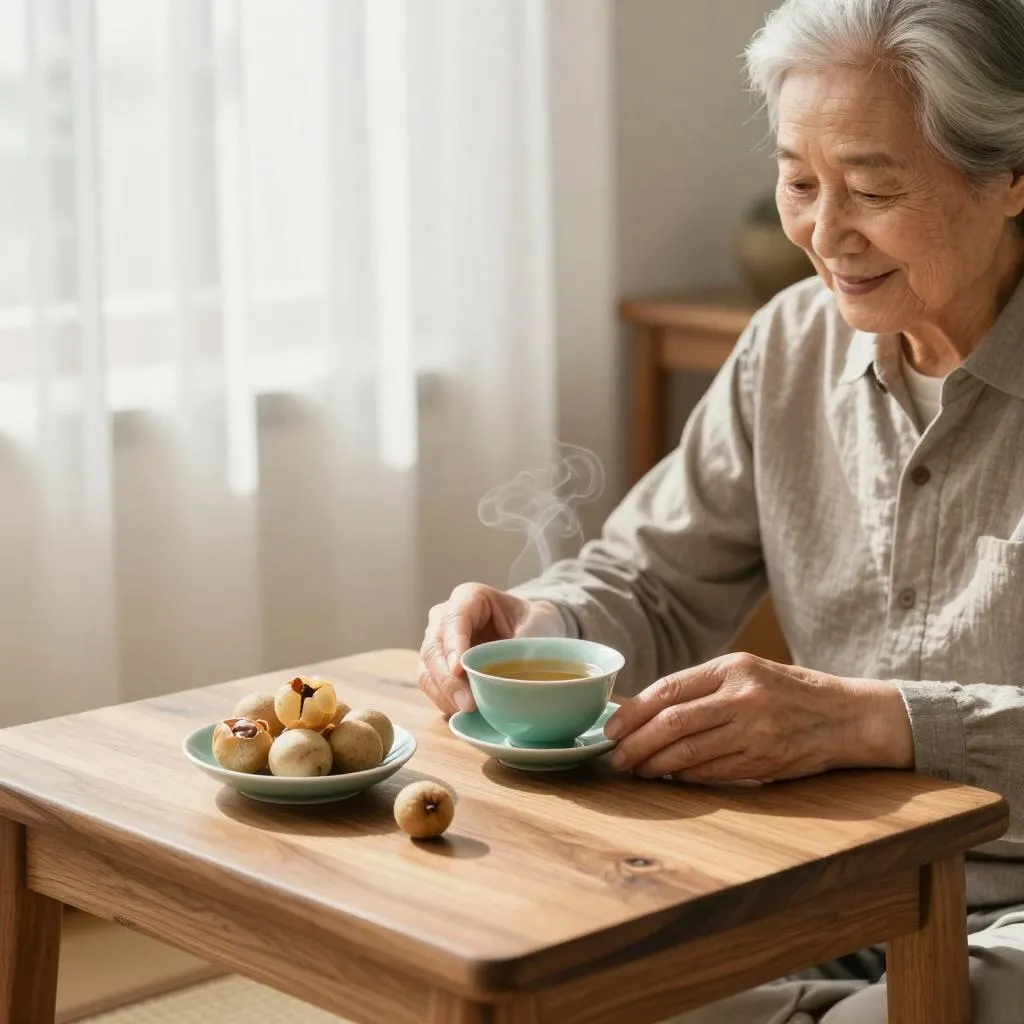
Yellow Light: Can Be Drunk, with Strict Conditions
Oolong Tea (Traditionally Medium/Heavy Roasted):
- Caution: Choose well-oxidized, well-roasted types (e.g., aged Yancha, traditional Tieguanyin). Avoid green, lightly roasted oolongs which retain "cooling" properties and can irritate. Must brew lightly and drink before mid-afternoon.
Aged Raw Pu-erh (10+ years, clean storage):
- Caution: Only if fully transformed and温和. Young Sheng Pu-erh is too potent and stimulating. Brew lightly and monitor the body's response.
Red Light: Generally Avoid or Strictly Limit
- Young Raw Pu-erh: Too potent and stimulating for digestion and sleep.
- Green Tea: "Cooling" nature and high polyphenol content can irritate the stomach, especially for those with a "cold" constitution.
- Strong Tea (Any Type): High concentration of caffeine/polyphenols amplifies risks.
- Teas with Artificial Flavors or Unknown Herbal Blends: Risk of unknown reactions.
3. The "Thoughtful Brewing" Method & Key Reminders
Choosing right is half the battle; brewing and drinking right completes it.
The Golden Rule: Light, Warm, Less:
- Light: Use half or one-third the leaf you would for a younger adult. Aim for flavor, not strength.
- Warm: Never scalding hot (damages esophagus) or ice-cold (depletes vitality). Warm is perfect.
- Less: Limit total daily dry leaf to 5-10 grams, consumed over multiple infusions.
Best Drinking Times:
- Mid-morning, after breakfast: When the body's energy rises, a warm tea can be gently uplifting.
- Before 3 PM: Allows time for caffeine metabolism before sleep.
- Absolutely Avoid: On an empty stomach, right before bed, or within 30 minutes of taking medication.
Special Considerations:
- For very poor sleepers: Suggest only one light brew in the morning, or try fully decaffeinated tea.
- For those with a pronounced "cold" constitution: Add a slice of ginger or a few red dates when brewing black or ripe pu-erh tea.
- When on medication: Always consult a doctor. Many drugs (e.g., for iron deficiency, antibiotics, heart conditions) can interact with tea polyphenols, affecting efficacy.
Summary: A Good Tea is Companionship, and Understanding
So, what tea is most suitable for the elderly?
The answer isn't a single tea type, but a philosophy of choosing "gentle, nourishing, and low-stimulus" teas. It's the "温和派" represented by aged white, ripe pu-erh, black, and aged dark teas.
Serving tea to elders transcends quenching thirst. It's a silent gesture of care from children, the comfort of companionship among old friends, and a wellness practice in harmony with life's rhythm.
Remember the Site Owner's final advice: Observation is more important than asking; lightness is more enduring than strength. Paying attention to how your parents sleep and feel after tea is more thoughtful than just asking their preference. A light yet flavorful cup of warm tea is the gentlest tribute to the passing years.
May we all learn to warm the hours of our elders with a perfectly suited cup of tea.
