Can Tea Replace Water? A Webmaster's Honest Take
Running a tea-focused website for years means I get a lot of questions. But one query pops up so frequently, often asked with genuine hope: "I absolutely love tea and drink it all day. Can I just replace plain water with tea? Wouldn't that quench my thirst and satisfy my tea cravings at the same time?"
It sounds logical on the surface. Tea is, after all, mostly water. Drinking more cups should mean more fluid intake, right?
Today, let's cut through the marketing fluff and internet myths. I'm going to explain, plainly and directly, why this popular idea doesn't hold up to scientific scrutiny. So, can tea replace water?
I. The Bottom Line: No, Absolutely Not
Let's be crystal clear from the start: Tea can never and should never replace plain water as the primary source of hydration for the human body.
I know this might be disappointing for some tea enthusiasts, but we need to prioritize facts over feelings. Although both are liquids, water and tea play fundamentally different roles once they enter our system.
II. The Deep Dive: Why Tea Can't Replace Water
To truly understand this, we need to look at two things: what our body fundamentally needs for hydration, and what tea actually brings to the table.
1. The "Purity" of Hydration is Completely Different
Why do we drink water? The core purpose is simple: to replenish body fluids. Water is the foundation of life. It's involved in every metabolic process, regulates body temperature, lubricates joints, and transports nutrients. Plain water does this job perfectly because it is "pure" and "neutral." It enters the body with virtually no additional metabolic load and is absorbed quickly and efficiently to hydrate cells.
Tea, on the other hand, is a "complex package." Besides water, it contains caffeine, polyphenols (tannins), theanine, and various other compounds. When you drink tea, your body isn't just receiving water; it also has to process all these "extra ingredients." Think of plain water as a dedicated supply truck, while tea is a delivery truck carrying various goods. Both are on the road, but their primary function and efficiency are different.
2. The "Diuretic" Effect of Caffeine Can Backfire on Hydration
This is the most critical physiological reason tea cannot replace water. Tea contains caffeine, a well-known diuretic.
In simple terms, caffeine stimulates the kidneys to produce more urine, making you urinate more frequently. When you drink a cup of tea—especially if it's strong—some of the water content may be excreted as urine before your body has had a chance to fully absorb and utilize it, thanks to caffeine's diuretic push.
Imagine drinking a 200ml cup of tea. Due to the diuretic effect, your body might end up excreting 250ml or more of urine (including some of your body's existing water stores). This is known as "net fluid loss." If you consistently replace all your water intake with tea, you might not just fail to hydrate properly; you could actually be putting your body in a state of chronic, mild dehydration.
While regular tea drinkers do develop a tolerance to caffeine's diuretic effect, it never completely disappears. The bottom line is that tea is simply less efficient at hydrating you than plain water. Relying on it for all your fluid needs is a losing strategy.
3. The "Metabolic Load" is Completely Different
Plain water is "zero-load." It contains nothing that requires extra metabolic work. Every component in tea, however, needs to be processed and metabolized by your organs.
- Digestive Burden: Drinking strong tea on an empty stomach can irritate the gastric lining. Constantly consuming tea throughout the day, instead of water, can be a persistent irritant.
- Kidney Burden: Compounds like caffeine and theophylline are metabolized by the kidneys. Replacing water entirely with tea puts them under constant, unnecessary strain. This is a significant concern for individuals with compromised kidney function.
- Interference with Nutrient Absorption: As we discussed in our guide on children and tea, tannins can bind to iron in food, hindering its absorption. If you're drinking tea all day long, you're creating a continuous environment for this interference, potentially impacting your long-term iron status.
4. Tea Can Create a False Sense of Thirst
Have you ever noticed that after a few cups of a particularly fragrant tea, your mouth feels dry, and you actually feel thirstier? This is a common experience.
This happens for two reasons. First, the caffeine promotes fluid loss. Second, some teas, especially roasted ones, can have a temporary drying effect on the oral and throat mucous membranes. At that moment, your body isn't asking for another cup of tea; it's asking for a glass of plain, soothing water.
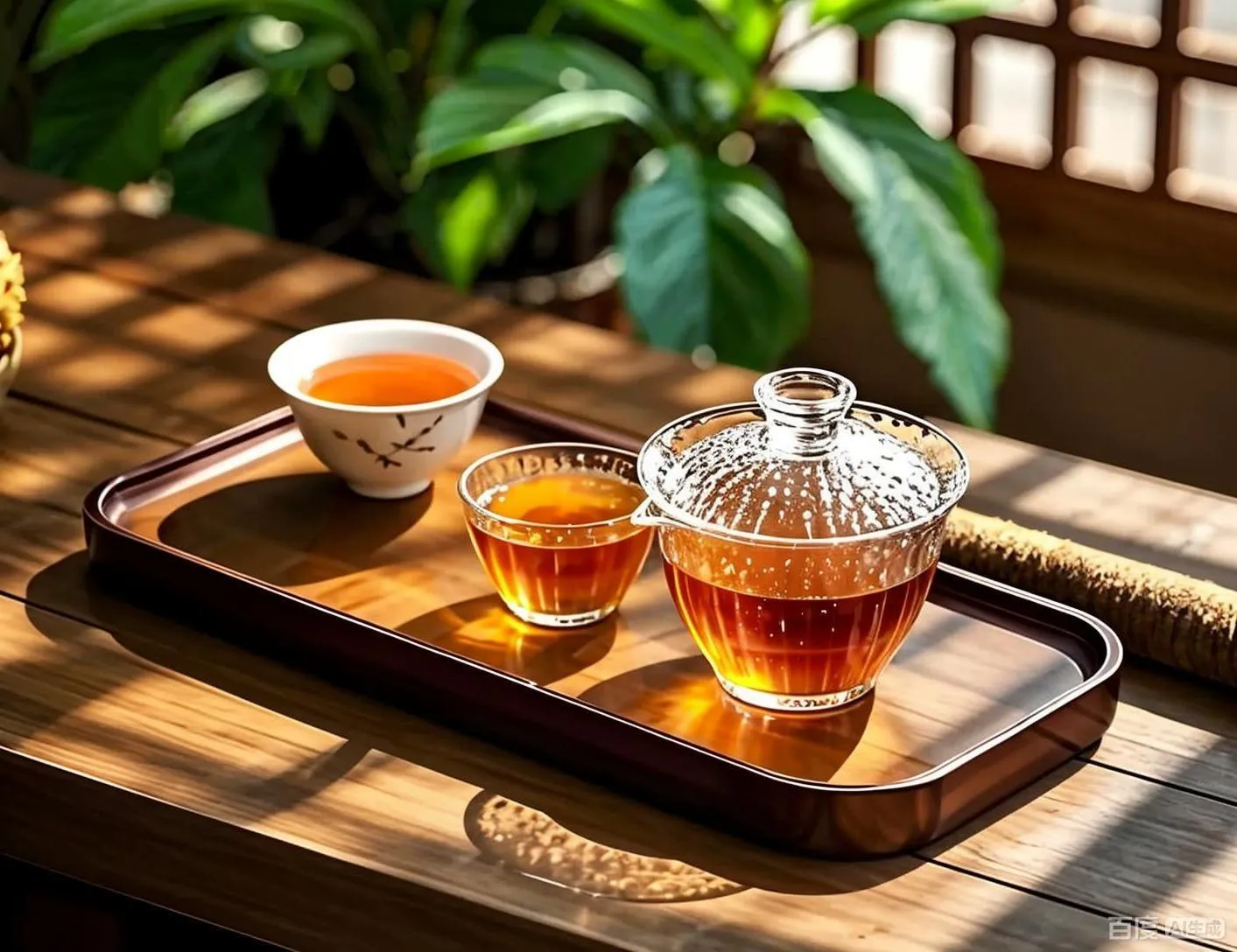
III. A Webmaster's Practical Advice: How to Balance Tea and Water
Since tea can't replace water, how should we manage both? Based on years of experience (and listening to my own body), here's my practical advice:
- Establish Water as the "Staple": Mentally, treat plain water as your "main course" and tea as your "side dish" or "beverage." Ensure you meet your baseline hydration needs with pure water first. The general recommendation of 1.5-2 liters (about 6-8 cups) per day for adults should primarily come from plain water.
- Find the "Golden Hours" for Tea: The best time to enjoy tea is between meals, during work breaks, or in moments of relaxation. This allows you to savor the flavor while minimizing the impact on iron absorption from your main meals.
- The "3 Glasses of Water Before Tea" Rule: This is a habit I highly recommend. Before you start a serious tea-drinking session, drink two or three glasses of warm water. This pre-hydrates your body and helps "dilute" the subsequent tea, reducing potential stomach irritation.
- Strength Matters: Always Choose Weak Tea: If you're thinking of drinking tea for hydration, you're starting from the wrong premise. Drink tea for enjoyment, but drink it weak. Weak tea is gentler on the body and allows you to appreciate subtle flavors without the negative effects of excess caffeine and tannins.
- Listen to Your Body: This is the most important rule of all. When you feel that primal signal of thirst—a dry mouth, a feeling of needing liquid—reach for water. When you feel mentally sluggish and crave a lift in spirits or a moment of flavor, brew a cup of tea. Your body's wisdom is your best guide.
IV. Conclusion
So, let's return to our original question: Can tea replace water?
The answer is definitive: No.
Tea is a carrier of flavor, a vessel of culture, and a contributor to a healthy lifestyle. But it can never, and should never, try to be plain water.
Water is for survival; tea is for enhancing the quality of life. They serve different purposes and offer different kinds of goodness. They are not interchangeable. For those of us who love tea, true wisdom lies not in trying to replace one with the other, but in finding the perfect balance between them.
The healthiest approach isn't "tea instead of water." It's knowing when to reach for water and when to savor your tea. Drink water when you're thirsty. Drink tea when you want to enjoy it. That's the real path to health and a well-lived life.
