Can Children Drink Tea? A Comprehensive Guide for Parents
In many cultures, particularly in Asia, tea is more than just a beverage—it's a part of daily life and tradition. It's common for parents, while enjoying their own cup of tea, to wonder: Can my child share this experience? Is it safe for children to drink tea?
This question doesn't have a simple yes or no answer. It involves understanding a child's developing physiology, nutritional needs, and the complex compounds found in tea. Let's dive deep into this topic from a professional and practical standpoint, providing you with the information you need to make an informed decision for your family.
I. The Core Principle: It's Not a Strict "Forbidden"
First and foremost, it's important to establish that for the vast majority of healthy children over a certain age, consuming a very small amount of weak tea is not strictly forbidden. The key lies in three words: moderation, dilution, and timing.
Tea contains beneficial antioxidants and polyphenols, but it also contains caffeine, which can have a more pronounced effect on a child's developing system. Instead of viewing tea as completely off-limits, it's more productive to learn how to introduce it safely and appropriately, maximizing any potential benefits while minimizing risks.
II. A Balanced Discussion: The Pros and Cons
1. Potential Benefits ("The Pros")
- Hydration with a Twist: Weak tea can contribute to daily fluid intake. It also contains trace amounts of beneficial compounds like fluoride, vitamins, and amino acids.
- Aids Digestion: A small cup of mild tea after a meal can help soothe the stomach and aid in digestion, especially after heavier foods.
- Dental Health: The natural fluoride in tea can help strengthen tooth enamel and inhibit the growth of cavity-causing bacteria (provided the tea is unsweetened).
- Antioxidant Intake: The polyphenols in tea are antioxidants that help protect the body's cells from damage.
2. Potential Risks ("The Cons")
Caffeine Sensitivity: This is the primary concern. Children metabolize caffeine more slowly than adults. Excessive intake can lead to:
- Hyperactivity & Irritability: Increased heart rate, nervousness, and difficulty concentrating.
- Sleep Disruption: Trouble falling asleep, restless sleep, or night waking.
- Physical Stress: Unnecessary strain on a child's developing cardiovascular and nervous systems.
- Impaired Nutrient Absorption: Tannins in tea can bind to non-heme iron (the type found in plant-based foods), making it harder for the body to absorb. This can potentially increase the risk of iron deficiency anemia in children, especially if tea is consumed regularly with meals.
- Digestive Upset: Strong tea can be irritating to a child's sensitive stomach lining, potentially causing acidity or discomfort.
- Reduced Appetite: The liquid can fill a child's small stomach, potentially displacing more nutrient-dense foods and reducing their appetite for meals.
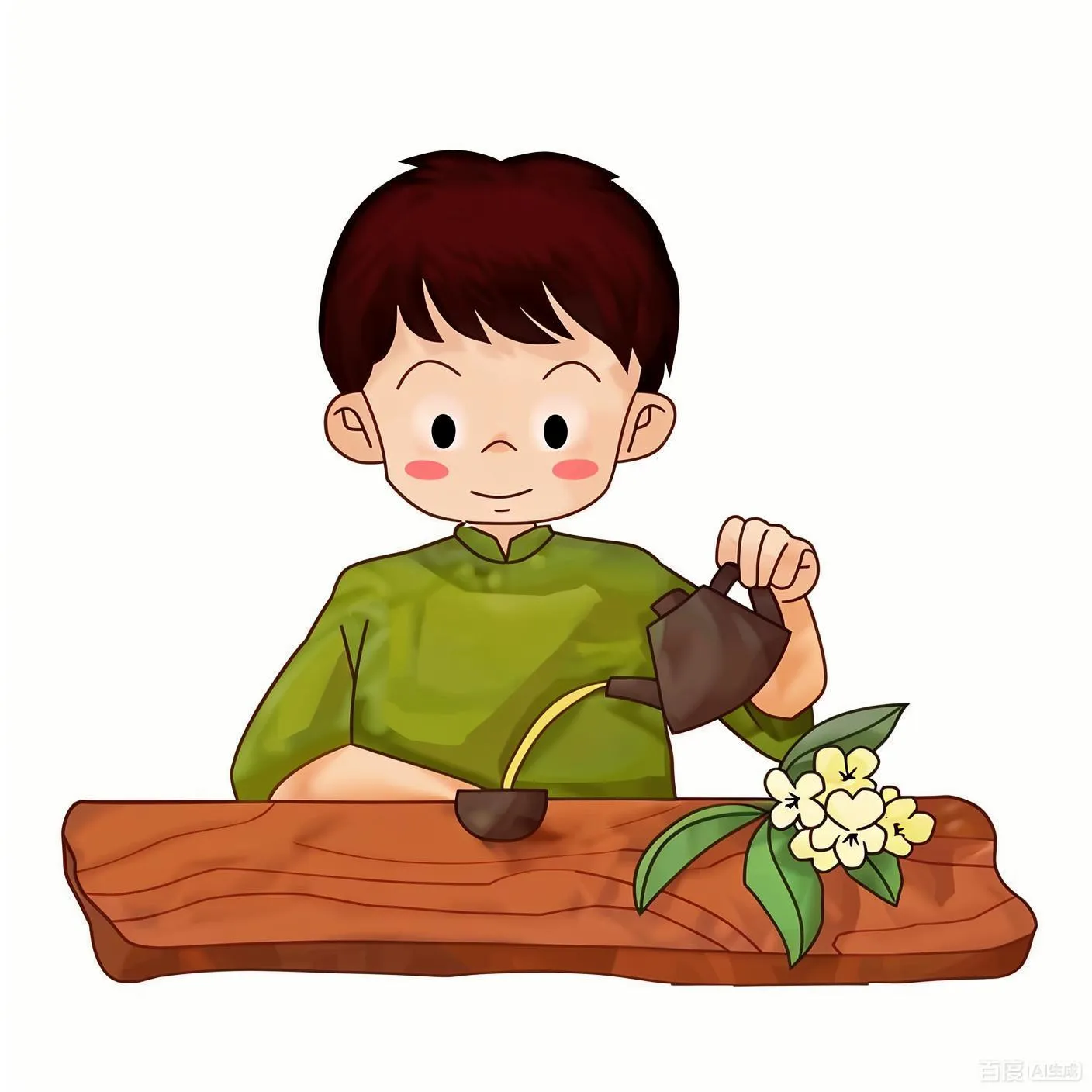
III. A Practical Guide: Age-Based Recommendations
So, how do you translate this into practical action? Here's a helpful age-based guide:
- Under 3 Years: Not Recommended. A child's system is too delicate to process caffeine and tannins effectively. Stick to breast milk, formula, and plain water.
- Ages 3-6: The "Taste Test" Phase. If a child is curious, you might allow them to try an extremely weak infusion. Think of it as "flavored water." Use a single tea leaf in a large cup of hot water, or better yet, use the second or third steep of a mild tea (like white tea or aged white tea), which has very little caffeine. The focus is on the experience, not consumption.
Ages 6-12: Moderate Consumption with Strict Rules. This is when limited, controlled tea drinking can be introduced.
- Choose the Right Tea: Opt for milder, lower-caffeine options like aged white tea, ripe pu-erh, or a light oolong. Avoid strong, unoxidized green teas or raw pu-erh, which can be harsh on the stomach.
- Control the Strength: Use a very small amount of leaves (about 1/3 to 1/2 of an adult portion) and a shorter steeping time. The goal is a very pale, almost translucent liquor.
- Time it Right: Serve tea 1-2 hours after a meal to minimize interference with iron absorption. Avoid giving tea after 4 PM to prevent sleep issues.
- Limit the Quantity: A small cup (about 50-100 ml) is plenty. It should be an occasional treat, not a daily habit or a substitute for water.
IV. Essential Tips for Parents
- Never Serve Strong Tea: This is the single most important rule. Dilution is non-negotiable.
- Skip the First Steep: A quick rinse of the tea leaves (discarding the first infusion) can wash away a significant portion of the caffeine and any surface dust. The second or third steep is much gentler.
- No Sugar or Honey: Adding sweeteners negates any potential health benefits and introduces risks like tooth decay and poor dietary habits. Let them experience the natural taste of tea.
- Observe and Adjust: After your child tries tea for the first time, watch for any signs of sensitivity, such as jitteriness, difficulty sleeping, or stomach upset. Discontinue use if you notice anything concerning.
- Water is Still Best: Always remember that plain water is the gold standard for hydration. Tea is just an occasional alternative.
V. Conclusion
So, can children drink tea? The answer is a qualified yes, provided it's done with knowledge, caution, and individualization. It's not a simple yes-or-no question but a nuanced decision about balance and moderation.
The goal for parents isn't to promote tea drinking but to understand its dual nature. It can be a wonderful way to share a cultural tradition and introduce a subtle new flavor, but only when managed carefully. By prioritizing your child's health, sticking to the principles of moderation, dilution, and proper timing, you can navigate this question confidently and make the choice that's right for your child.
