Hello, tea friends. This is your site administrator. Have you ever experienced this: eagerly savoring a fine brew, only to feel sudden heart palpitations, dizziness, shakiness, or even cold sweats after a few cups? This discomfort is at the core of what we often call “tea drunkenness.” It can ruin the moment and even cause concern. Today, let’s fully understand this issue: Why does tea cause heart palpitations, and how can we manage and prevent it?
To be direct, the main reason tea causes palpitations is that certain active compounds in tea produce a short-term, overly strong stimulation on the nervous and cardiovascular systems. This isn't because tea is "toxic," but often results from a mismatch between how we drink tea, our personal state, and the tea's properties.
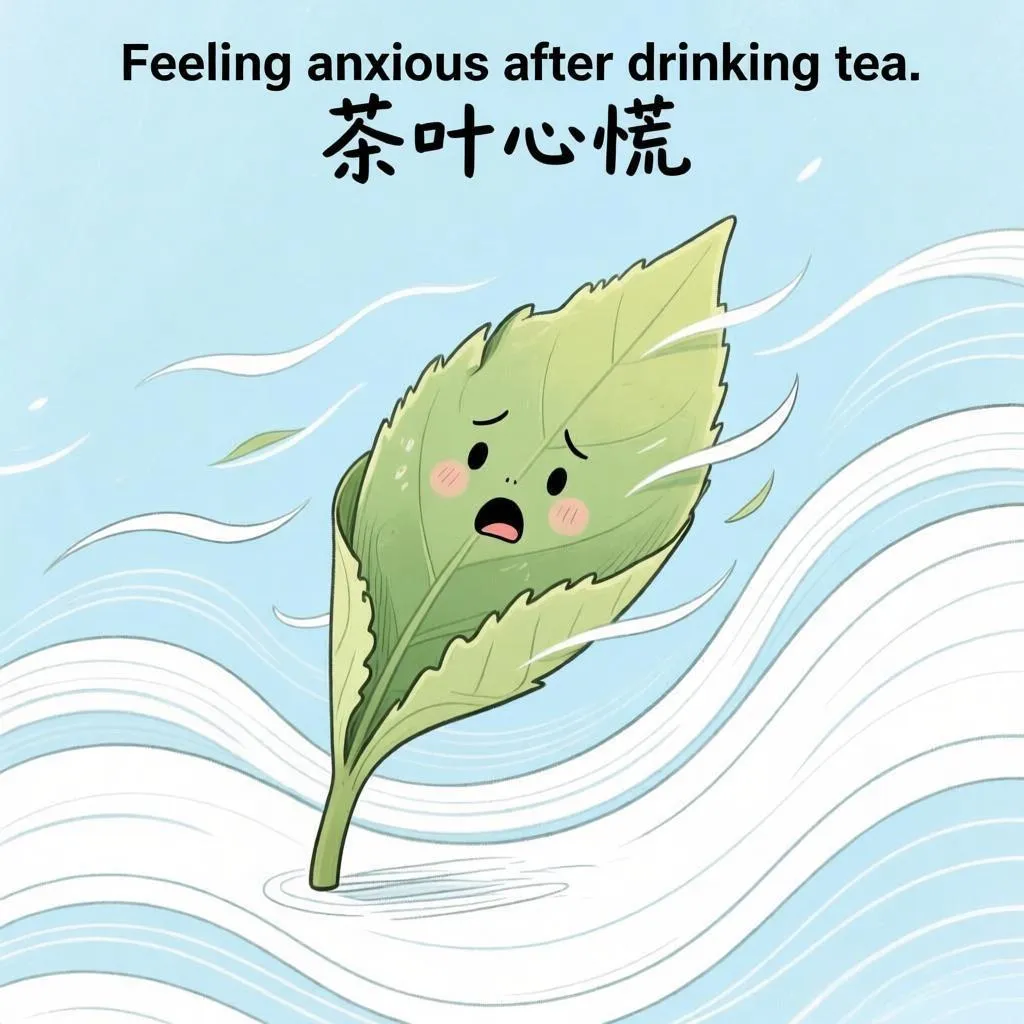
Part 1: The Scientific Culprits Behind Palpitations: More Than Just Caffeine
While caffeine (formerly called theine) often gets the blame, it's not the only factor. Consider the "Stimulation Triangle":
- Caffeine: This is the primary stimulant. It stimulates the central nervous system, causing increased heart rate, vasoconstriction, and a temporary rise in blood pressure. For sensitive individuals or with excessive intake, this excitatory effect manifests as noticeable palpitations.
- Theophylline & Theobromine: These alkaloids are structurally similar to caffeine and also have effects like relaxing smooth muscles (e.g., bronchi), stimulating the heart, and promoting diuresis. Working together with caffeine, they amplify the cardiac stimulation.
- Empty Stomach & Hypoglycemia: This is a critical, often overlooked factor. Compounds in tea accelerate the body's metabolism and consume blood sugar. Drinking tea on an empty stomach, especially strong tea, can rapidly lower blood sugar, triggering symptoms like palpitations, dizziness, weakness, and cold sweats—intensifying the feeling of discomfort.
Part 2: The “Accomplices”: Your Drinking Habits and State
Beyond the tea itself, these factors significantly increase the risk of palpitations:
- Tea Type & Strength: Teas with low fermentation and simple processing (e.g., young raw Pu-erh, new white tea, unfermented green tea) typically have higher levels of stimulating alkaloids. Over-steeping or using too much leaf to make strong tea is essentially a "caffeine bomb."
- Individual Differences & Tolerance: Body constitution, weight, metabolism, and sensitivity to caffeine vary greatly from person to person. Those who don't drink tea regularly or are caffeine-sensitive will react more strongly.
- Physical State & Medications: When fatigued, sleep-deprived, hungry, or emotionally stressed, the body's stress levels are already high. Adding tea stimulation can easily trigger palpitations. Some medications (e.g., certain cold medicines, blood pressure drugs) may interact with tea compounds.
- Low-Quality Tea or Contaminants: In rare cases, inferior tea leaves or contaminants might cause physical reactions.
Part 3: Conclusion & Practical Action Guide
If you experience tea-induced palpitations, don't panic. It's usually a temporary adjustment signal from your body.
Immediate Relief (When you already feel unwell):
- Stop drinking tea immediately.
- Replenish Energy Quickly: Eat some sweets, candy, chocolate, or staple food to raise your blood sugar. This is the most direct and effective method.
- Drink Plenty of Warm Water: Helps accelerate the metabolism and excretion of caffeine.
- Rest and Relax: Sit quietly or lie down, take deep breaths, and wait for the discomfort to pass.
Fundamental Prevention (How to avoid it in the future):
- Avoid an Empty Stomach: Remember the golden rule: “Never drink tea on an empty stomach.” The best time is half an hour after a meal.
- Moderation is Key: Use less leaf and avoid over-steeping. Start with lighter brews to let your body adapt.
- Choose "Gentler" Teas: Beginners or sensitive individuals can start with aged white tea, fully fermented black tea, or post-fermented ripe Pu-erh. Their stimulating compounds are largely transformed, making them milder.
- Know Your State: Reduce intake or opt for lighter tea when tired, weak, or emotionally charged.
- Establish Your Personal Tolerance Profile: Note your reactions to different teas under various conditions to find your "safe limit."
Finally, a crucial reminder from the Administrator:
If palpitations persist, are very severe, or are accompanied by chest pain or difficulty breathing, seek medical attention immediately to rule out other potential cardiovascular issues. For the vast majority of healthy individuals, adjusting tea-drinking habits can completely prevent "tea drunkenness," allowing you to safely enjoy the pleasure and health benefits tea offers.
Tea should be a companion that nourishes body and mind, not a burden. Learning to interact with it correctly and listening to your body's feedback is the true essence of advanced tea practice.
